

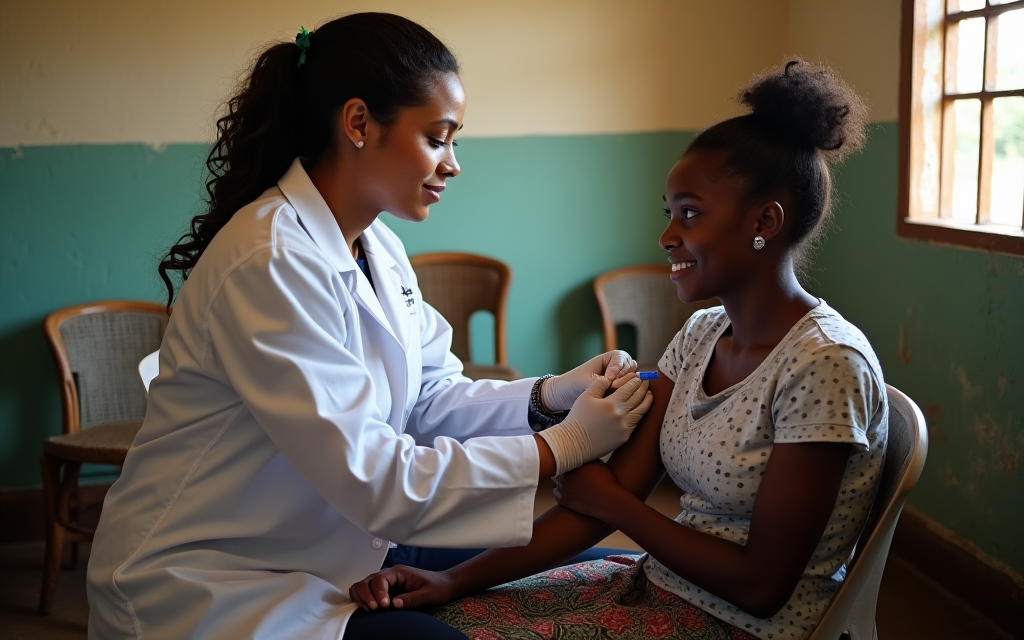
Lenacapavir HIV Prevention Jab Rollout Begins in Uganda and Zambia
Uganda and Zambia are set to receive the first shipments of a low-cost generic version of lenacapavir, an HIV prevention injection that is nearly 100% effective and costs just $40 per person annually. The rollout, coordinated by the Global Fund, marks a major breakthrough in expanding access to HIV prevention in sub-Saharan Africa, where the disease burden is highest. The drug offers a significant advantage over daily pills and could help reach millions by 2028.
Breakthrough HIV Prevention Injection Reaches Africa
In a significant step forward for global health, Uganda and Zambia are set to receive the first shipments of a low-cost generic version of lenacapavir, a groundbreaking HIV prevention injection. The arrival of the drug in Zambia on Wednesday, with Uganda expected to follow in the coming days, marks a major milestone in the fight against HIV, particularly in sub-Saharan Africa, which bears the heaviest burden of the disease.
Cost Reduction Opens Access
The generic version of lenacapavir, administered as an injection twice a year, is nearly 100% effective at preventing HIV infection. It is expected to cost just $40 per person annually, a stark contrast to the original version produced by Gilead Sciences, which cost about $28,000 per year in the US. This dramatic price reduction is made possible through a landmark deal that allows for generic production, making the drug accessible to low- and middle-income countries. The Global Fund, which is coordinating the rollout, described the development as a “major breakthrough” that will help reach millions more people at risk of infection.
Clinical Trials and Efficacy
Lenacapavir works by targeting the protective protein shell of HIV, disrupting the virus’s ability to multiply and establish an infection. In a landmark clinical trial involving more than 5,000 adolescent girls and young women in Uganda and South Africa in 2024, none of those who received the injection contracted HIV. This level of protection is unprecedented and offers a significant advantage over existing prevention methods, such as daily pills, which can be difficult to adhere to and carry social stigma.
Rollout and Future Plans
The Global Fund has reported that more than 189,000 people across 10 countries have already received their first injection of lenacapavir. The organization expects 24 countries to have received supplies by the end of this year and, in partnership with the US government, aims to reach at least three million people by the end of 2028. Eventually, the drug is expected to be available in 120 low- and middle-income countries. Zimbabwe is slated to receive supplies early next year, with several other countries to follow.
This rollout comes at a critical time, as sweeping cuts to US foreign aid under the Trump administration have raised concerns about undermining decades of progress in tackling HIV in Africa. The World Health Organization has set a goal to end AIDS as a public health threat by 2030, and the widespread availability of lenacapavir could be a game-changer in achieving that target.
