

Nations Championship Finals: Inside the Logistical Challenge at Twickenham
The Nations Championship finals at Twickenham present a massive logistical challenge: 12 rugby teams, 550+ players and staff, and six matches in three days. From special rice cookers to makeshift barbecues, organisers have coordinated accommodation, training bases, transport, and catering for a new, family-oriented crowd. With a relaid pitch and a 24-hour operation, the event showcases the venue's flexibility and attention to detail.
Nations Championship Finals: Inside the Logistical Challenge at Twickenham
As the inaugural Nations Championship finals descend on Twickenham, organisers face an unprecedented logistical puzzle: hosting 12 international rugby teams, over 550 players and staff, and six matches in just three days at a single venue. From special rice cookers to makeshift barbecue pits, the behind-the-scenes efforts reveal the complexity of staging a world-class event.
Accommodation and Training Arrangements
With London in the throes of Black Friday shopping, securing hotel beds for the world’s top rugby nations was no small feat. A block booking was made at the start of the year, placing teams in hotels across Brentford, Guildford, Cobham, and beyond. Many of these establishments had never hosted elite rugby squads, so chefs and nutritionists worked closely with hotel staff to ensure high-protein, high-energy diets were catered for.
Training facilities were also at a premium. Each team was allocated a private training base at local clubs, schools, or universities, with choices based on world rankings. South Africa, as the top-ranked side, secured the prestigious Teddington base usually reserved for England’s opponents. The tight schedule means teams will hold their captain’s run at their training grounds rather than at Twickenham, adding another layer of logistical planning.
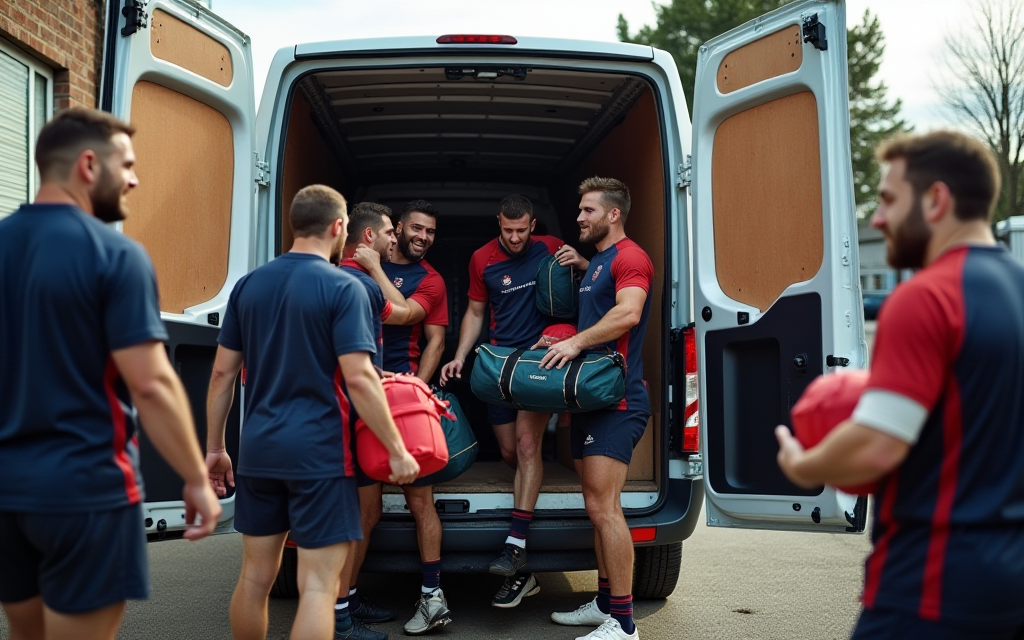
Transport is another jigsaw piece: each team has four vehicles at their disposal—a team bus, a people carrier, a van for kit, and a truck for heavy equipment like scrum machines. The goal is to shuttle everyone smoothly between hotel, training base, and stadium.
Match-Day Operations and Pitch Management
Twickenham, with its ample changing rooms, can accommodate four teams at once. The higher-ranked team in each fixture gets the home dressing room—a perk England secured by beating New Zealand last weekend, leapfrogging the All Blacks in the rankings.
Staggered kick-off times help ease congestion. The first match on each day starts three and a half hours before the headline act, allowing the early teams a window of five to 30 minutes after the second match kicks off to make a clean getaway. Scotland, however, have requested permission to stay and watch the grand final between South Africa and France as a squad social event—a rare exception to protocol.
The pitch itself has been prepared for the onslaught. Relaid in the summer with a hi-tech reservoir beneath the surface to control drainage, it is expected to hold up well despite forecast rain. Ground staff are confident it will remain in good condition through all six matches.
Catering for a New Crowd
Filling an 82,000-seat stadium with only a week’s notice of the fixtures is a challenge, and organisers anticipate a different demographic than the usual rugby crowd. “We sell out 99.9% of England men’s games and have a clear picture of what to order,” says Nils Braude, managing director of Twickenham Experience. “But this is more like a general event or a Red Roses game—more family-oriented, mixed generations.”
That shift influences food and drink orders. New fans tend to arrive earlier, eat more, and stay longer. “We’re known for serving a lot of Guinness, but we’re anticipating more cocktails, Prosecco, and soft drinks, so we’ve ramped those up,” Braude adds. With nearly 80 bars, the stadium is stocked for the first two days, and backup kegs are stored in car parks. Suppliers are on standby for emergency restocking.
Behind the scenes, a 24-hour operation is in full swing. Chefs arrive from 5am to prepare hospitality meals, cleaning crews work seat-by-seat after the final whistle, and deliveries happen overnight. Even the clink of recycling and beep of forklifts are restricted to certain hours to respect local residents.
“It’s exciting,” Braude says. “It’s an event that shows up. You can really flex your muscles as a venue when you have these types of events.”
As the rugby world descends on Twickenham, the meticulous planning—from rice cookers to prosecco—will be just as crucial as the action on the pitch.
