

Bangladesh Garment Workers Clash with Police Over Low Wages After 36% Raise Falls Short
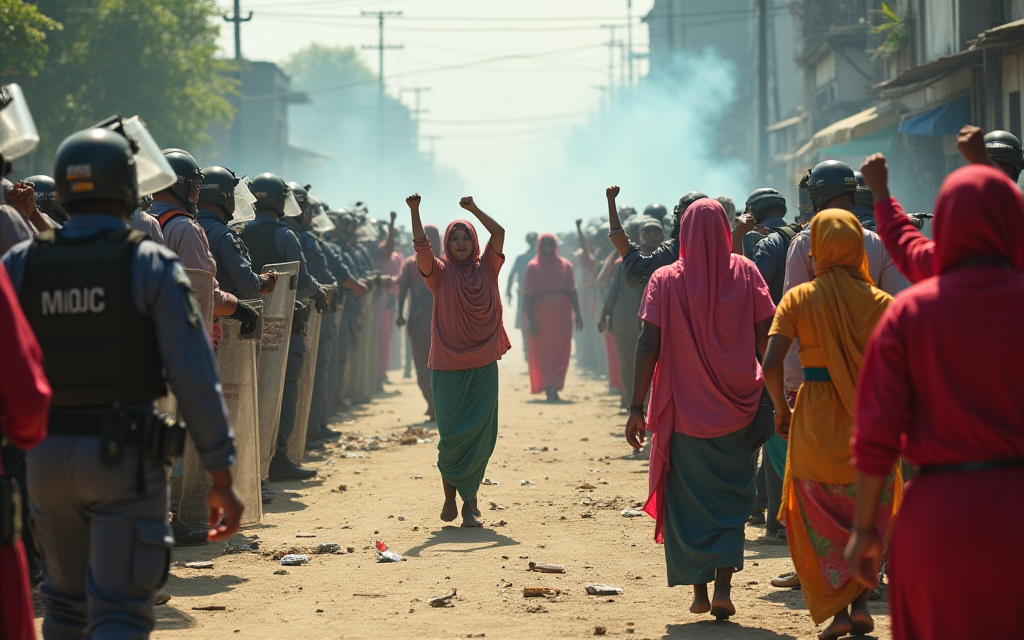
Bangladeshi garment workers clashed with police on Thursday after rejecting a 36% minimum wage increase that fell short of their demands. The protests, which erupted in industrial areas near Dhaka, highlight growing frustration over low pay and rising living costs in the country's $40 billion garment industry. Labour groups are calling on global brands to pay suppliers more to ensure a living wage for workers. The government has appealed for calm, but tensions remain high.
Clashes Erupt in Bangladesh as Garment Workers Demand Higher Pay
DHAKA, Bangladesh — Bangladeshi garment workers clashed with police on Thursday, a day after the government announced a 36% increase in the minimum wage that fell far short of workers’ demands, according to local reports and labour rights groups. The violence highlights growing frustration in the country’s $40 billion ready-made garment industry, which supplies major global fashion brands.
The protests erupted in several industrial areas, including Savar and Ashulia on the outskirts of Dhaka, where thousands of workers took to the streets to reject the new minimum wage of 12,500 taka ($113) per month. Workers had been demanding a wage of 23,000 taka ($208). Police used tear gas and rubber bullets to disperse the crowds, and several workers were injured, according to witnesses. The exact number of casualties could not be independently verified.
Background: Wage Negotiations and Worker Demands
The wage hike was approved by the government-appointed wage board on Wednesday after months of negotiations between factory owners, worker representatives, and government officials. The 36% increase, the first since 2018, was deemed insufficient by workers who have seen their purchasing power eroded by inflation, which has hovered around 9% in recent months. Labour leaders argue that the new minimum wage does not cover basic living expenses, including food, housing, and education for workers’ children.
“The government and factory owners have ignored our demands for a living wage,” said Kalpana Akter, a worker at a factory in Savar. “We cannot survive on 12,500 taka. Prices of rice, oil, and rent have skyrocketed. We will continue our protests until our demands are met.”
The clashes come amid heightened tensions in Bangladesh’s garment sector, which employs over 4 million workers, mostly women. The industry has faced international scrutiny over poor working conditions and low wages, particularly since the 2013 Rana Plaza collapse that killed more than 1,100 people.
International Implications and Calls for Brand Responsibility
Labour rights groups are urging global fashion brands to pay suppliers more so that workers can earn a living wage. The Clean Clothes Campaign and other organizations have called on brands such as H&M, Zara, and Primark to commit to higher prices for their products, which would enable factories to pay better wages. “Brands have a responsibility to ensure that the workers making their clothes are paid fairly,” said a spokesperson for the Asia Floor Wage Alliance. “The current wage is a pittance compared to the profits of these multinational corporations.”
The Bangladesh Garment Manufacturers and Exporters Association (BGMEA) has said that the wage increase is the maximum it can afford given rising production costs and global economic pressures. However, critics argue that the industry has benefited from duty-free access to Western markets and should share more of its profits with workers.
The government has called for calm and urged workers to return to their jobs. “We have taken a decision after considering the capacity of the industry,” said State Minister for Labour Monnujan Sufian. “We hope workers will accept it and maintain peace.”
As of Thursday evening, protests had spread to other industrial zones, and police were deployed in large numbers to prevent further violence. The situation remains tense, with workers vowing to continue their demonstrations until their demands are met.