

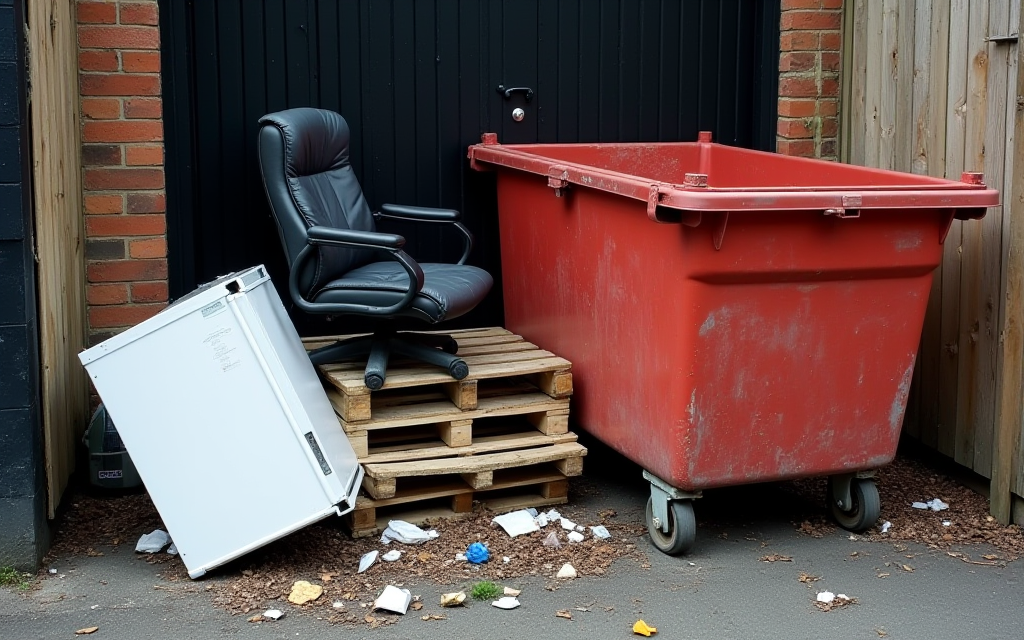
Harrow Council Raises Littering Fines to £750, Highest in London
Harrow Council has approved plans to raise littering fines to £750, the highest in London, and introduce a £5,000 penalty for serious fly-tipping. The move follows government increases in maximum penalties and aims to tackle persistent environmental crime. Littering fines will rise from £500, with a reduced rate of £300 for early payment. PSPO breaches will see penalties jump from £100 to £500. The highest fly-tipping penalty will apply to cases with aggravating factors like hazardous waste or repeat offences. The council has faced criticism for insufficient enforcement at hotspots, and residents hope the higher fines will deter offenders and improve cleanliness.
Harrow Council Approves London’s Highest Littering Fines
Harrow Council has approved plans to increase penalties for littering, breaches of Public Space Protection Orders (PSPOs), and serious fly-tipping offences, setting the highest littering fines in London. The decision, made at a cabinet meeting last week, follows an increase in the maximum penalties available to councils under government rules.
Littering fines will rise from £500 to £750, with a reduced penalty of £300 for early payment. PSPO breaches will see penalties jump from £100 to £500, and a new £5,000 penalty will be introduced for the most serious fly-tipping offences, such as those involving hazardous waste or repeat offenders.
Rationale Behind the Increase
Councillor Pritesh Patel, speaking at the meeting, said: “The reason for these changes is that the government has increased the maximum penalties available to councils. This gives us an opportunity to strengthen our response to environmental crime.” He added that most people do the right thing, but a minority do not, and meaningful consequences are needed to encourage compliance.
The highest fly-tipping penalty will be reserved for cases with aggravating factors, including the dumping of multiple bags, waste affecting vulnerable people, or businesses dumping waste for financial gain.
Previous Criticism and Ongoing Challenges
Harrow Council has faced criticism for its handling of fly-tipping. In January 2026, residents complained about a hotspot on Weighton Road in Harrow Weald, where only seven people had been sanctioned in the previous year despite a CCTV camera being in operation. One resident noted that seven fines could be issued in a week, let alone 52. The council described the situation as “disgusting.”
The council has previously tried various approaches, including installing CCTV cameras, sharing images of offenders on social media, and taking people to court. The new fines aim to strengthen enforcement and deter environmental crime.
Impact on the Community
Residents have expressed frustration over persistent fly-tipping, which blights neighborhoods and poses health risks. The increased fines are expected to act as a stronger deterrent and improve compliance. The council hopes the higher penalties will lead to a cleaner environment and reduce the burden on taxpayers for cleanup costs.
The changes are part of a broader effort by Harrow Council to tackle environmental crime and maintain public spaces. The new fines will come into effect following the cabinet’s approval.