

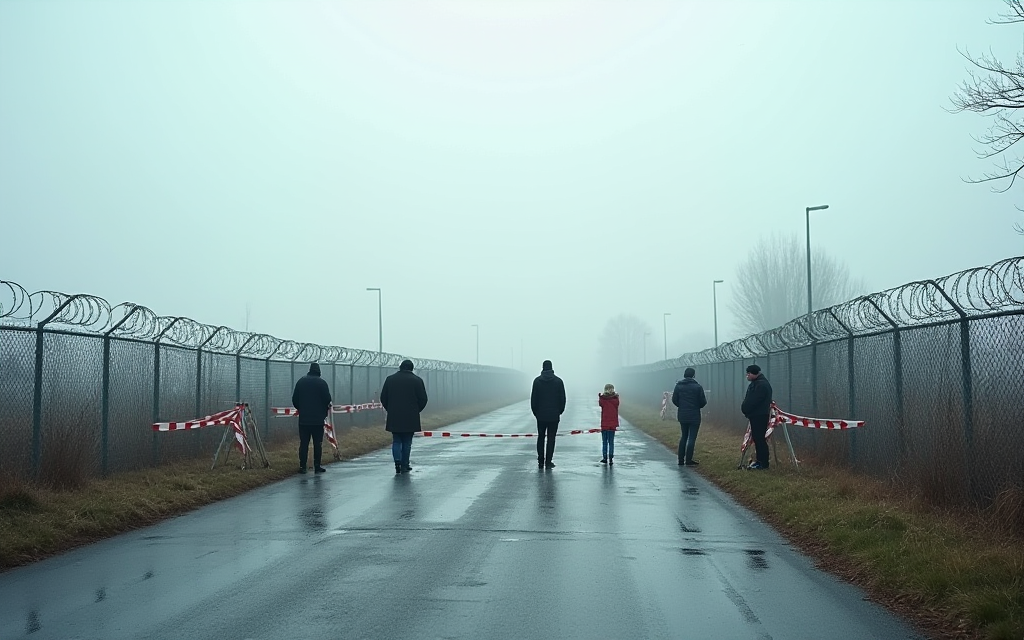
Estonia to Close Land Border Crossings with Russia by December 1 to Thwart Spies
Estonia will close its land border crossings with Russia by December 1 to prevent Russian intelligence agents from carrying out attacks, the government says. The move will disrupt families and businesses that rely on cross-border travel, with local communities bracing for prolonged separation and economic losses. The closure affects the Narva and Koidula crossings and comes amid heightened tensions between the two countries. Estonia, a NATO and EU member, has been increasing border security in recent months. Russia has not yet responded, but the decision is expected to further strain relations.
Estonia to Shut Land Border Crossings with Russia by December 1
TALLINN, Estonia — Estonia will close its land border crossings with Russia by December 1, the government announced, citing the need to prevent Russian intelligence agents from carrying out attacks. The move is set to disrupt the lives of families living on either side of the border, who are preparing for long separations.
The closure affects two main crossing points: Narva, a city in northeastern Estonia, and Koidula, further south. Estonia’s government says the closures are necessary to prevent Russian intelligence agents from carrying out attacks. The decision comes amid heightened tensions between the two countries, which share a 294-kilometer border.
Security Concerns Drive Closure
Estonian officials have expressed growing concerns about Russian espionage and sabotage activities in the region. The government claims that Russian intelligence agents have been using the border crossings to infiltrate the country and conduct operations that threaten national security.
“The closure of land border crossings is a necessary measure to protect Estonia’s security and sovereignty,” said a government spokesperson. “We have credible information that Russian intelligence agents are exploiting these crossings for hostile activities.”
The closures are part of a broader effort by Estonia to bolster its border security. In recent months, the country has increased patrols along the border and invested in surveillance technology. Estonia, a member of both NATO and the European Union, has been a vocal critic of Russia’s actions in Ukraine and has warned of potential spillover effects.
Impact on Local Communities and Families
The closure will have a significant impact on local communities, particularly those who rely on cross-border travel for work, trade, and family connections. Many families have relatives on both sides of the border and face the prospect of prolonged separation.
“My mother lives in Russia, and I visit her every week,” said a resident of Narva. “Now I don’t know when I will see her again. This is heartbreaking.”
Local businesses that depend on cross-border commerce are also bracing for losses. The Narva crossing is a major route for goods and services, and its closure is expected to disrupt supply chains and economic activity in the region.
The Estonian government has said it will provide support to affected communities, including alternative arrangements for those who need to cross the border for essential reasons. However, details of these arrangements have not yet been announced.
International Reaction and Implications
The closure has drawn attention from international observers, who see it as a sign of escalating tensions between Russia and its neighbors. NATO has expressed support for Estonia’s decision, emphasizing the importance of protecting member states’ borders.
Russia has not yet responded to the announcement, but analysts expect the move to further strain relations between Moscow and Tallinn. The Kremlin has previously criticized Estonia for its stance on Russia and its support for Ukraine.
The closure is also likely to be discussed at upcoming EU meetings, where border security and relations with Russia are high on the agenda. Estonia’s decision may prompt other countries in the region to review their own border policies.
As the December 1 deadline approaches, families and businesses are scrambling to make alternative arrangements. The Estonian government has urged citizens to remain calm and assured them that the closure is a temporary measure aimed at ensuring national security.