

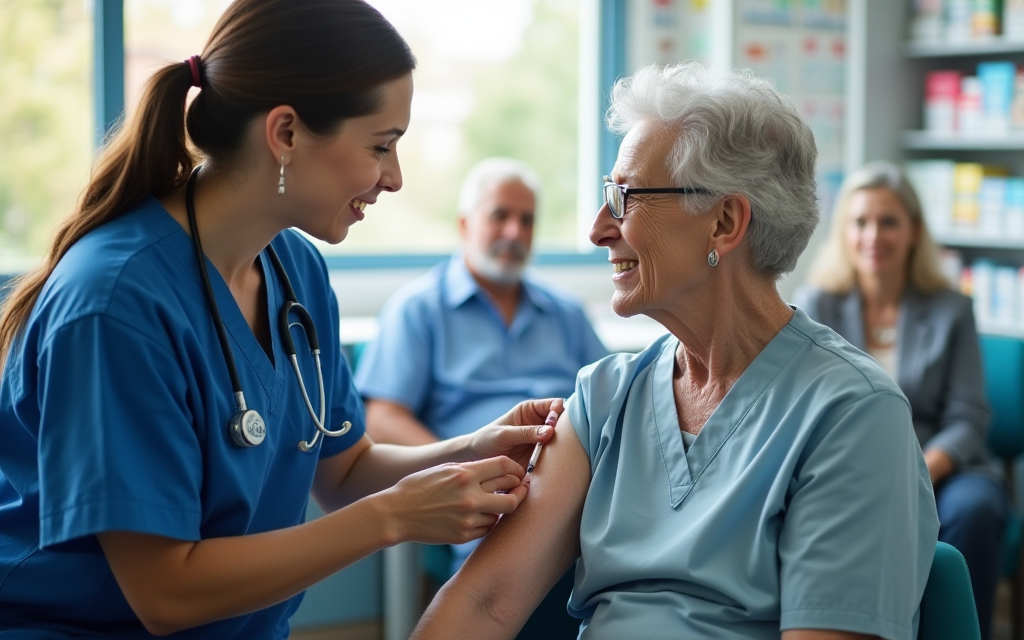
UK Flu Vaccine Push Urged as Hospital Cases Surge Ahead of Winter Peak
UK health officials are urging millions of vulnerable people to get the free flu vaccine as hospital cases rise sharply ahead of the winter peak. Only about a third of under-65s and two-thirds of those aged 65 and over have been vaccinated, leaving roughly seven million unprotected. Experts say the vaccine reduces the risk of serious complications by about 50% and takes two weeks to build immunity. Those not eligible can buy the jab privately for £15 to £25.
UK Health Officials Urge Flu Vaccination as Hospital Cases Rise Sharply
LONDON — Health officials in the United Kingdom are urging millions of vulnerable people to take up the free flu vaccine after the number of hospital patients seriously ill with influenza rose sharply in the past week, authorities said.
The flu surge has arrived slightly earlier than usual this year, though officials caution that activity remains at “moderate levels” and the true peak may not arrive until December or early January.
In England last winter, the UK Health Security Agency (UKHSA) estimated there were 3,798 deaths attributed to influenza, underscoring the severity of a virus that many people underestimate.
Who Is Eligible for the Free Flu Vaccine?
Millions of vulnerable people qualify for the free jab on the National Health Service (NHS), including children, pregnant women, care home residents, people with lung conditions, and anyone aged 65 and over.
Yet uptake remains incomplete. Only around a third of under-65s and two-thirds of those aged 65 and over have been vaccinated so far this winter, leaving an estimated seven million people unprotected, health officials said.
Parents are being specifically urged to vaccinate young children, both to protect the children themselves and to reduce transmission to others they come into contact with.
Why the Vaccine Matters
“If you’re offered it, it’s a good idea to have it,” said Prof. Nick Hopkinson, professor of respiratory medicine at Imperial College London. “The main reason is to avoid serious complications in vulnerable groups — so as many as possible should have it in those groups.”
Flu is a viral infection affecting the nose, throat, and lungs. While it often resolves on its own, complications can include pneumonia, heart attacks, and the worsening of underlying illnesses. In severe cases, it can be fatal.
The current vaccine protects against three strains — two influenza A strains and one influenza B strain. Scientists must predict which strains will circulate before the vaccine is manufactured each year in time for winter.
Even if circulating strains drift slightly, experts say vaccination remains worthwhile because it lowers the risk of severe illness. Protection from the vaccine reduces the risk of serious flu complications by about 50%, according to Prof. Hopkinson.
Private Vaccination and Supply
People who are not eligible for the free vaccine can still purchase it from most pharmacies for between £15 and £25.
“It’s a reasonable thing to consider,” Prof. Hopkinson said, though he stressed that it is far more important for the millions of vulnerable people offered the vaccine free to receive it.
Pharmacist Olivier Picard said he has seen a “massive spike in demand” for flu jabs in the last 24 hours, with more people booking appointments for free vaccines and others asking about paying privately.
“When it gets cold, people tend to wake up to getting the free jab and want it before Christmas,” Picard said, adding that there is no issue with vaccine supplies at present and “plenty in the system.”
Timing and Protection
It takes about two weeks for immunity to build up after vaccination, another reason officials advise getting the jab sooner rather than later.
The vaccine does not rule out the possibility of catching flu, but it reduces the likelihood of becoming severely ill and ending up in hospital.
Prof. Hopkinson also noted that smokers are five times more likely to get flu, advising them to quit.