

Tanzanian Activist Abducted in Kenya, Raising Transnational Repression Concerns
Tanzanian opposition activist Twaha Salim Mwaipaya was abducted in Kenya on October 25, 2026, by unidentified men, sparking concerns over transnational repression. The incident echoes the 2025 abduction of Maria Sarungi Tsehai in Nairobi. Kenyan authorities deny involvement, while human rights groups call for an independent investigation. The case highlights Kenya's responsibility to protect foreign dissidents and allegations that Tanzania pursues critics beyond its borders. It comes amid a wider crackdown on dissent in Tanzania following disputed 2025 elections.
Abduction of Twaha Salim Mwaipaya
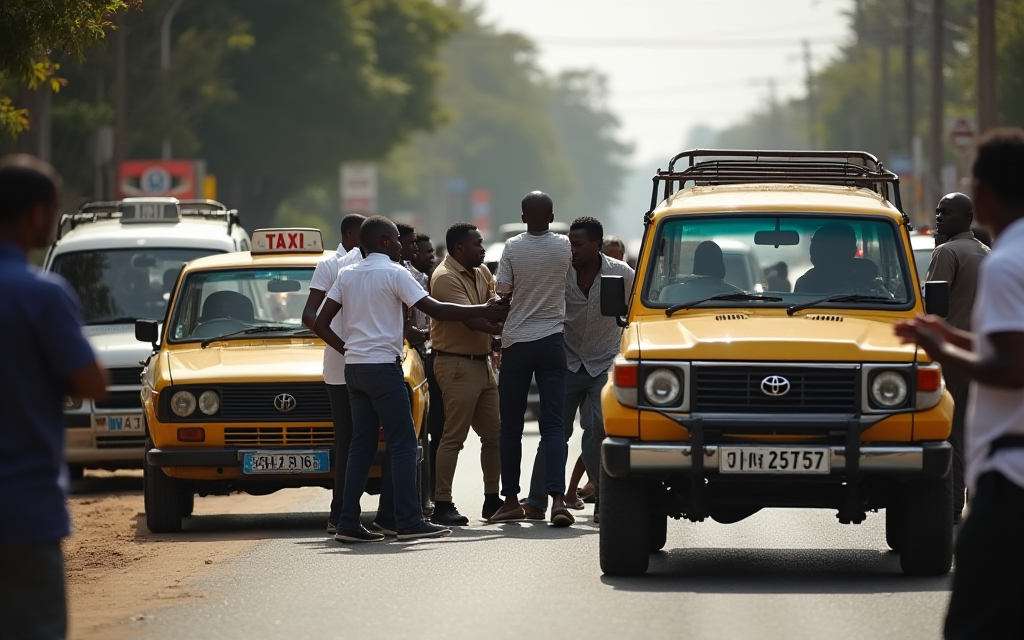
On October 25, 2026, Tanzanian opposition activist Twaha Salim Mwaipaya was abducted in Machakos County, Kenya, by unidentified individuals. According to the Kenya National Commission on Human Rights (KNCHR), three vehicles intercepted the taxi he was traveling in, and he was forcibly removed. His whereabouts remain unknown. Amnesty International reported that the vehicles included a Toyota Land Cruiser Hardtop and called on Kenyan authorities to establish his whereabouts and investigate the incident. The International Federation for Human Rights (FIDH) and the World Organisation Against Torture (OMCT) described the incident as an enforced disappearance and urged an independent investigation, including into possible cross-border involvement.
Mwaipaya, a former youth organizer for Tanzania’s opposition party Chadema, had fled to Kenya in 2025, citing threats to his safety. On November 3, Kenya’s Inspector General of Police, Douglas Kanja, appeared before the High Court and denied that Kenyan police had arrested or detained Mwaipaya. He acknowledged that Mwaipaya’s relatives had reported him missing and said investigations were ongoing. On November 23, Judge Alexander Muteti summoned Mohamed Amin, head of the Directorate of Criminal Investigations (DCI), to provide an update on the investigation. The court declined to summon Deputy Inspector General Eliud Lagat, ruling his testimony would not add significant value.
Tanzania’s High Commissioner to Kenya, Bernard Kibesse, told The Citizen on October 26 that the embassy was following up on the disappearance but had not received an official report.
Pattern of Transnational Repression
Mwaipaya’s disappearance recalls the January 2025 abduction of Tanzanian activist Maria Sarungi Tsehai in Nairobi. Unidentified men forced her into a vehicle before releasing her hours later following public pressure. Sarungi believes her abductors intended to take her across the border into Tanzania. “In 60-90 minutes, they would have reached the border and crossed with me, and I would have disappeared for good like hundreds of Tanzanians who have disappeared in such manner in Tanzania under Samia Suluhu,” she told Al Jazeera. She said some of the men appeared Kenyan, while another appeared Tanzanian based on his Kiswahili, and alleged that a Tanzanian national directed the operation. The identities of her abductors have not been independently established.
In May 2026, President Samia Suluhu Hassan made remarks about dealing with anti-government protesters that drew criticism. Speaking alongside Kenyan President William Ruto in Dar es Salaam, Hassan said protesters should be flogged with canes if they crossed into either country. “I have told President William Ruto we must stand firm against those who lack discipline. We should not choose between Tanzanians or Kenyans. If they come to me, I flog them with canes; if they come to you, you flog them with canes, so that they behave,” she said, according to The Standard. Former Kenyan Chief Justice David Maraga condemned the comments as abhorrent. No evidence has emerged linking the remarks to either abduction.
History of Political Repression
Political repression in Tanzania predates Hassan’s presidency. Under her predecessor, John Magufuli, human rights organizations documented restrictions on political freedoms, intimidation of opposition figures, and attacks on government critics. In September 2017, opposition leader Tundu Lissu survived an assassination attempt in Dodoma, during which he was shot 16 times by unidentified men. The attack remains unresolved. Hassan initially raised hopes of political reform after taking office in 2021, easing restrictions on political rallies and allowing some exiled politicians to return. However, human rights organizations subsequently documented renewed restrictions on opposition activity, arbitrary arrests, and intimidation of critics. The African Union’s 2025 election observation mission noted that the political opening following her accession had been short-lived.
Lissu was arrested in April 2025 and charged with treason. On November 6, 2026, a Tanzanian court acquitted him of treason but convicted him of incitement, sentencing him to four years in prison. The charges arose from remarks prosecutors said urged supporters to disrupt the election. Lissu denied wrongdoing.
The treatment of critics has also affected activists from neighboring countries. In May 2025, Kenyan activist Boniface Mwangi and Ugandan human rights defender Agather Atuhaire traveled to Dar es Salaam to observe Lissu’s treason proceedings. They were arrested on May 19 and subsequently deported. Both later described being held incommunicado and subjected to abuse. Amnesty International reported allegations of torture and ill-treatment, including sexual violence, while United Nations human rights experts issued a communication to the Tanzanian government detailing allegations of enforced disappearance, torture, and other abuses. These were allegations documented by the organizations and UN experts, not judicial findings.
Aftermath of the 2025 Elections
Tanzania’s political crisis intensified following the October 29, 2025 general election, which was marked by restrictions on opposition participation and deadly post-election violence. The African Union Election Observation Mission concluded that the elections did not comply with AU democratic principles and international standards, citing restrictions on political competition, shortcomings in the electoral framework, and an internet shutdown that disrupted observation. The disputed vote triggered protests, arrests, and a security crackdown. Human Rights Watch reported that police and people in civilian clothing killed hundreds of protesters and bystanders. A year later, the organization said authorities had yet to make arrests for human rights violations committed before and during the election.
A presidential Commission of Inquiry reported that 518 people died from unnatural causes during the unrest. Its chairman, retired Chief Justice Mohamed Chande Othman, said the figure might not be conclusive. The commission also recorded allegations that security officers shot people in their homes and shops. Human Rights Watch criticized the inquiry for failing to meaningfully scrutinize the conduct of security forces. The figures remain contested. Chadema and other sources have reported higher death tolls, although these estimates have not been independently established. A CNN investigation published on November 20, 2025, analyzed geolocated videos, audio evidence, and witness accounts showing police and armed men shooting at protesters, including some who appeared unarmed. It also documented evidence supporting witness accounts of overflowing morgues and possible mass graves. The Tanzanian government disputed aspects of the reporting.
Kenya’s Responsibility and Calls for Accountability
Mwaipaya’s disappearance raises questions about Kenya’s responsibility to protect foreign nationals within its territory, particularly those fleeing political persecution. Kenya has long provided refuge to activists and opposition figures escaping repression elsewhere in the region. However, the cases of Mwaipaya and Sarungi have raised concerns about whether that protection can be guaranteed when critics of neighboring governments are allegedly targeted on Kenyan soil. The Kenyan authorities must establish Mwaipaya’s whereabouts, investigate the circumstances of his disappearance, and identify those responsible. Tanzania, meanwhile, must address allegations that its critics are being pursued beyond its borders.
For Tanzanian human rights lawyer Tito Magoti, the disappearances are part of a wider human rights crisis facing the country. “Tanzanians are not free. Abduction is one side of the coin. There are plenty of other atrocities committed against Tanzanians and they run hand in hand with the abductions. It starts there. You abduct, you torture, you extrajudicially kill, persecute through judicial forums, sexual assault and more, so the state of political freedom is in limbo,” he said.