

NASA’s Northrop Grumman CRS-25 Mission: What to Know
NASA's Northrop Grumman CRS-25 mission will deliver over 8,200 pounds of science and supplies to the ISS. Launching from Wallops Flight Facility, the Cygnus spacecraft carries experiments on protein crystals, fire safety, and astronaut health. Learn about the mission objectives, scientific payloads, and how to watch the launch live.
NASA’s Northrop Grumman CRS-25 Mission: What to Know
NASA is gearing up for its 25th commercial resupply mission to the International Space Station (ISS) with Northrop Grumman. The CRS-25 mission will deliver thousands of pounds of scientific investigations, crew supplies, and hardware to the orbiting laboratory. This mission continues a long-standing partnership between NASA and Northrop Grumman, which has been resupplying the station since 2013.
Mission Overview and Objectives
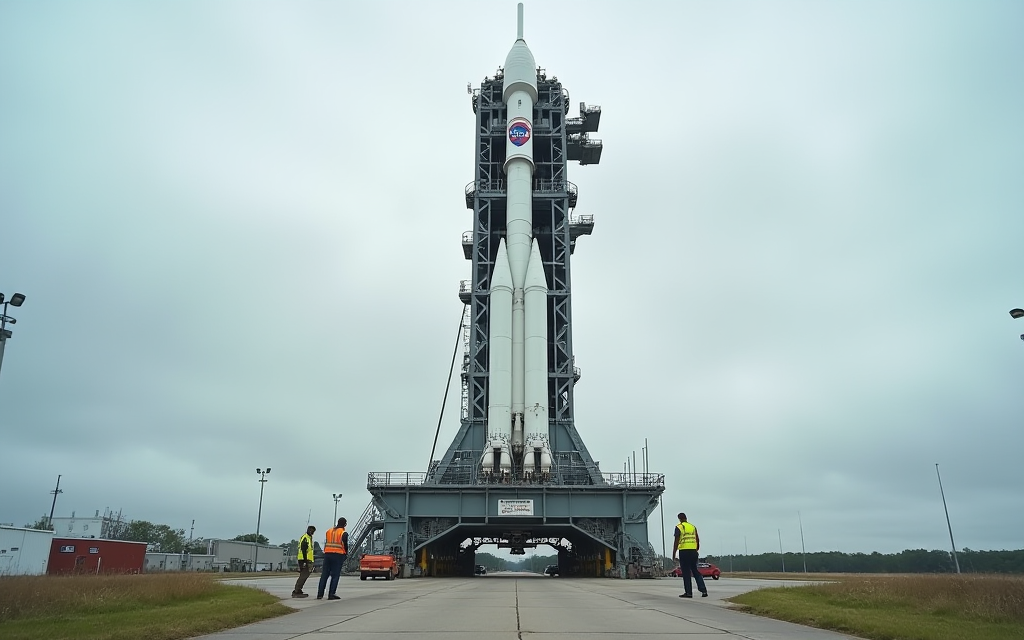
The Northrop Grumman CRS-25 mission will launch aboard an Antares rocket from Pad-0A at NASA’s Wallops Flight Facility in Virginia. The Cygnus spacecraft, named the S.S. Sally Ride in honor of the first American woman in space, will carry more than 8,200 pounds (3,700 kilograms) of cargo. This includes critical materials for dozens of research experiments, such as studies on protein crystals, fire safety, and astronaut health.
After a two-day journey, the Cygnus will be captured by the station’s robotic arm and berthed to the Unity module. The spacecraft will remain at the station for about three months before departing and burning up in Earth’s atmosphere.
Scientific Payload Highlights
The CRS-25 mission is packed with science that benefits life on Earth and future deep-space exploration. Key investigations include:
- Protein Crystal Growth: Studying how proteins crystallize in microgravity could lead to better medicines for diseases like cancer and Alzheimer’s.
- Fire Safety in Space: The Solid Combustion Experiment will examine how flames spread in microgravity to improve fire safety on spacecraft.
- Astronaut Health: The Vascular Aging investigation will look at how spaceflight affects blood vessels and accelerates aging.
- Earth Observation: The Cygnus will also deploy small satellites for Earth science and technology demonstrations.
These experiments highlight the ISS’s role as a unique laboratory for innovation.
Launch Coverage and Viewing Opportunities
NASA will provide live coverage of the launch and berthing on NASA Television, the NASA app, and the agency’s website. The launch is scheduled for no earlier than November 2026, with a five-minute window. Viewers can also follow real-time updates on the agency’s social media channels.
For those in the mid-Atlantic region, the launch may be visible in the sky shortly after liftoff. NASA encourages the public to share their launch photos using the hashtag #CRS25.
This mission underscores NASA’s commitment to advancing science and maintaining a continuous human presence in low Earth orbit.
