

Car Bomb in Villavicencio, Colombia Injures 23; President Blames Narcoterrorism
A car bomb exploded in central Villavicencio, Colombia, injuring at least 23 people and damaging government buildings. President Abelardo de la Espriella blamed 'narcoterrorism' and vowed a forceful response. The attack is the latest in a series targeting official sites, highlighting rising violence as the 10th anniversary of the Farc peace deal approaches.
Car Bomb Rocks Central Villavicencio, Injuring at Least 23
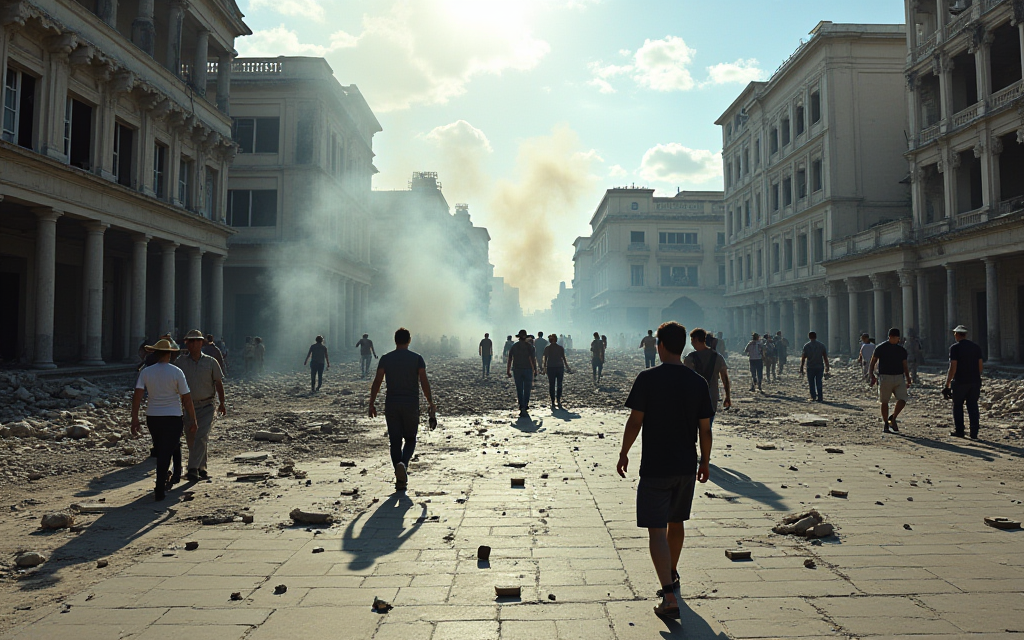
A powerful car bomb exploded in the heart of Villavicencio, Colombia, on Monday evening, wounding at least 23 people and causing significant damage to buildings, including the regional government offices. The attack, which occurred in one of the city’s central squares, is the latest in a string of explosive attacks targeting official buildings and security forces across the country.
According to local authorities, the device was detonated in front of the Meta Governor’s Office, shattering windows and sending debris flying. Emergency services rushed to the scene, and images from the aftermath showed bloodied victims being assisted by first responders. No group has yet claimed responsibility for the bombing.
Government Response and Blame
President Abelardo de la Espriella condemned the attack, blaming “narcoterrorism” in a post on social media. He vowed that his government would respond “bluntly and forcefully” to “every drop of Colombian blood spilled,” adding that there would be “no impunity and no retreat.”
The president, who was elected on a promise to crack down on criminal groups, has recently ordered an offensive against armed factions. In retaliation, these groups have stepped up attacks. Just three weeks ago, a car bomb near army barracks in Tolima province killed three adults and a baby. Earlier on Monday, drones dropped explosives on a police headquarters in the northern city of Cúcuta.
Context of the Attack
The Villavicencio bombing coincides with the eve of the 10th anniversary of the 2016 peace deal between the government and the Revolutionary Armed Forces of Colombia (Farc). While the deal led thousands of rebels to disarm, dissident factions and criminal groups have since filled the void, fighting for control of drug trafficking, illegal mining, and extortion. President de la Espriella has been critical of the peace deal, calling it a “false peace” and a “waste of public resources.”
Former President Juan Manuel Santos, who signed the deal, defended it in an interview with BBC Mundo, arguing that the current violence stems from a lack of implementation, not the agreement itself. “He wants to use, or has bought into that cynical and mistaken theory that the violence we see today is the result of the peace deal, when the exact opposite is the case,” Santos said.
Rising Violence and Security Challenges
The attack underscores the deteriorating security situation in Colombia, where armed groups have become increasingly bold. The government’s hardline approach marks a shift from the previous administration’s “total peace” strategy, which sought to negotiate with criminal groups but ultimately stalled. As the anniversary of the peace deal approaches, the nation faces a critical juncture in its struggle to curb violence and bring stability to regions long plagued by conflict.
Local authorities have urged residents to remain vigilant, and investigations into the bombing are ongoing. The injured, some critically, are being treated at nearby hospitals. The international community has expressed solidarity with Colombia, with neighboring countries condemning the attack and offering support in the fight against terrorism.
