

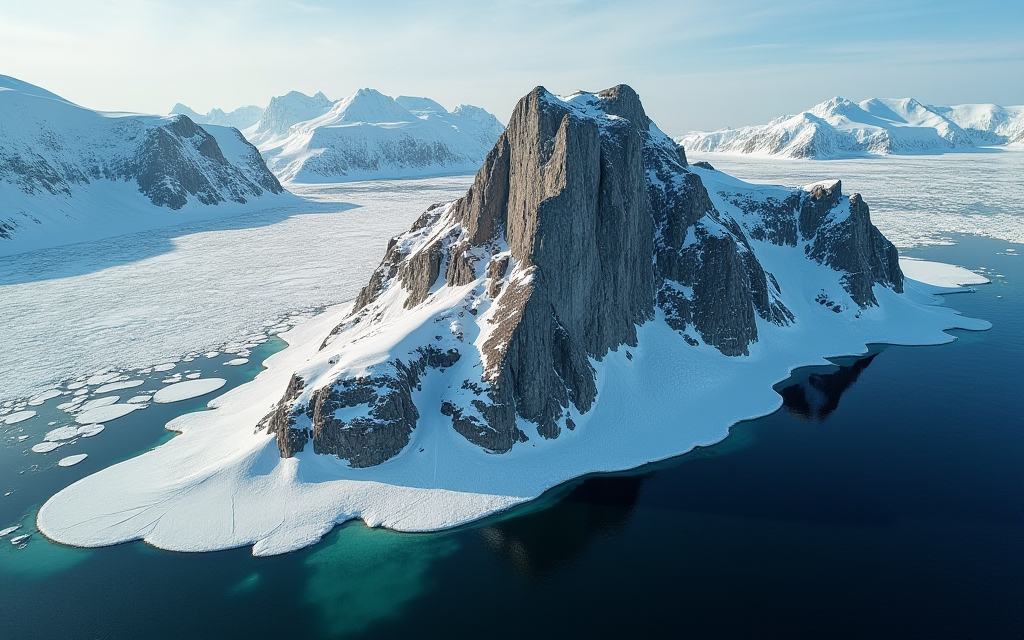
NASA Satellite Reveals Resolution Island as a Climate Refuge for Arctic Wildlife
NASA's Earth Observatory shines a spotlight on Resolution Island, a remote Arctic refuge for polar bears and seabirds. Satellite data reveal shifting ice patterns and vegetation changes, underscoring the island's ecological importance amid a warming climate. Continuous monitoring is key to safeguarding this vital sanctuary.
A Remote Arctic Stronghold Under Threat
Resolution Island, a rugged, uninhabited landmass off the southeastern coast of Baffin Island in Nunavut, Canada, has long been recognized as a critical refuge for Arctic wildlife. New imagery and analysis from NASA’s Earth Observatory highlight how this remote island serves as a sanctuary for species such as polar bears, seabirds, and marine mammals—even as climate change reshapes the Arctic at an alarming pace.
The island’s steep cliffs, fjords, and surrounding sea ice create a unique ecosystem that supports biodiversity in an otherwise harsh environment. NASA’s satellite observations provide a rare, detailed look at how this refuge is faring amid warming temperatures and shifting ice patterns.
Satellite Eyes on a Changing Landscape
Using data from platforms like Landsat and MODIS, NASA scientists have tracked changes in Resolution Island’s ice cover, vegetation, and coastal dynamics. The imagery reveals that while the island remains largely pristine, the surrounding waters are experiencing earlier ice breakup and longer open-water seasons.
Key Observations from NASA’s Earth Observatory
- Sea ice decline: The duration of seasonal sea ice around Resolution Island has shortened, affecting species that depend on it for hunting and breeding.
- Vegetation shifts: Satellite data show a gradual greening of tundra areas, indicating warming trends that could alter the island’s ecology.
- Wildlife refuge: Despite these changes, the island’s rugged terrain continues to offer safe havens for polar bears denning and migratory birds nesting.
These findings underscore the importance of continuous monitoring to understand how Arctic refuges respond to global climate shifts.
Why Resolution Island Matters
Resolution Island is part of the Arctic Archipelago and lies near the entrance to Hudson Strait, a region of high ecological significance. Its undisturbed habitats support populations of narwhals, belugas, and various seabird colonies. For Indigenous communities and scientists alike, the island represents a barometer of Arctic health.
NASA’s Earth Observatory emphasizes that such refuges are not isolated—they are connected to larger migratory routes and food webs. Protecting these areas is essential for maintaining biodiversity and resilience in the face of climate change.
The Road Ahead: Conservation and Monitoring
As Arctic warming accelerates, the need for sustained observation and conservation efforts becomes more urgent. NASA’s ongoing satellite missions will continue to provide critical data, helping researchers and policymakers make informed decisions about protecting Resolution Island and similar refuges.
While the island itself remains a haven, its future depends on global action to mitigate climate change and preserve the delicate balance of Arctic ecosystems.
