

Fury vs Joshua: How Heavyweight Rivals Transformed British Boxing
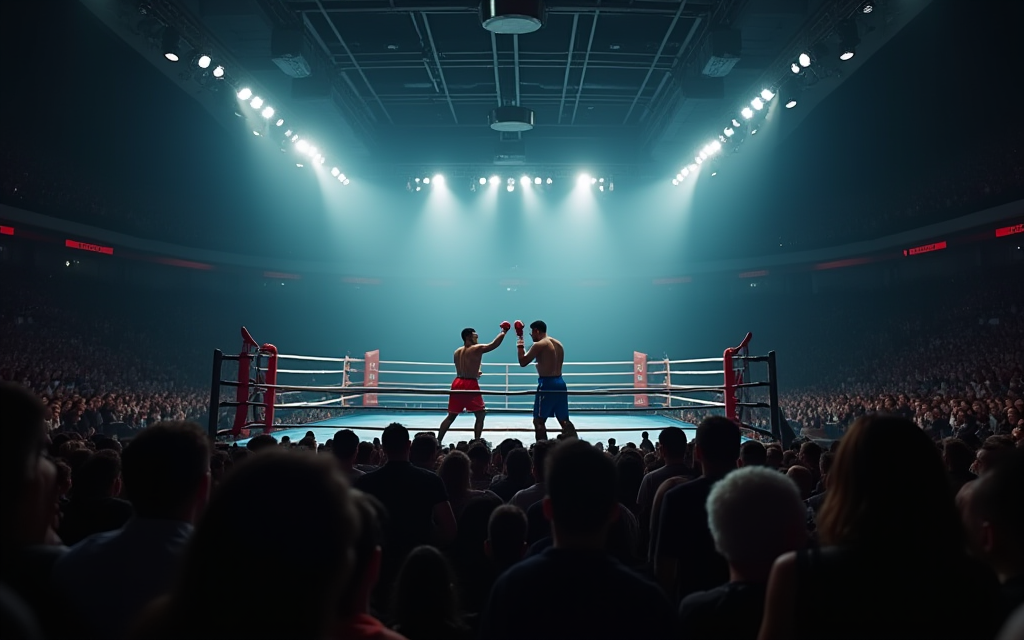
Tyson Fury and Anthony Joshua will finally meet in the ring on December 12 in Cardiff, a bout that could settle their rivalry but whose broader legacy is already secure: together, they have revolutionized British heavyweight boxing, filling stadiums, drawing new audiences, and inspiring a new generation of fighters.
Fury and Joshua Set to Meet in Long-Awaited Showdown
CARDIFF, Wales — After years of speculation and failed negotiations, Tyson Fury and Anthony Joshua will finally share a ring on December 12 in Cardiff, a bout that could settle their rivalry but whose broader legacy is already secure: together, they have revolutionized British heavyweight boxing, turning it into a global spectacle and inspiring a new generation of fighters.
The two men have conquered the sport, filled stadiums, and become household names. Fury, the unpredictable showman who dethroned Wladimir Klitschko in 2015, and Joshua, the Olympic gold medalist who became a global superstar, have taken British heavyweight boxing to unprecedented heights.
Reviving Big-Time Heavyweight Boxing in Britain
Before Fury and Joshua, many of the division’s biggest fights took place overseas. Lennox Lewis fought defining bouts in Las Vegas and Memphis; challengers traveled to Germany during the Klitschko era. But in a six-month span from November 2015 to April 2016, Fury outpointed Klitschko in Düsseldorf, and Joshua knocked out Charles Martin at London’s O2 Arena to win his first world title.
“Bosh, that’s it. The revolution starts in that six-month period,” said BBC Radio 5 Live boxing pundit Steve Bunce. Promoters soon realized Joshua’s appeal could sell out arenas instantly. By 2017, he fought in front of 90,000 at Wembley Stadium, stopping Klitschko in a career-defining win. Fury’s trilogy with Deontay Wilder made him a box-office draw in the USA.
“The two of them have been in eight massive stadium fights over an eight-year period,” Bunce said. “That’s reshaping British boxing history.” Yet both men eventually helped export the division’s biggest nights back overseas, trading British stadiums for Saudi Arabian paydays. Even this Cardiff homecoming is bankrolled by Turki Alalshikh’s ‘Riyadh Season’ and timed for an American streaming audience.
Crossover Stars Who Inspired the Next Generation
Fury and Joshua’s reach extended beyond boxing. Joshua became a familiar face on chat shows, while Fury stepped into a WWE ring and welcomed Netflix cameras into his home. Their crossover contests—against former UFC champion Francis Ngannou and YouTuber Jake Paul—blended competition with entertainment, though some fans viewed them as lucrative detours.
Still, their mainstream visibility turned them into household names and sustained Britain as a major center of the division. A new wave of British heavyweights—Daniel Dubois, Fabio Wardley, and Moses Itauma—are stepping into a landscape Fury and Joshua helped create. Dubois beat Joshua at Wembley in 2024, seven years after Joshua stopped Klitschko at the same venue. “Two legends of the sport,” Dubois said. “What they’ve done for the sport in the last few years has been great.”
Leo Atang, a highly rated prospect, was 10 when he watched Joshua beat Klitschko on television and decided to take up boxing. Seven years later, he won gold at the World Under-19 Championships. Wardley remembers Fury’s win in Düsseldorf as the night that “re-sparked a lot of people’s love for boxing.”
The Final Question of Their Legacy
Yet one question has followed both men: what would happen if they met in the ring? After failed negotiations, lost titles, and shifting circumstances, some believe the bout is arriving too late. Derek Chisora, who lost three times to Fury, described it as “getting the last drink in the barrel.” For years, promotional politics, rival broadcast deals, and mutual risk aversion kept both camps protecting their brands.
In the time it took to make the fight, both men lost twice to Oleksandr Usyk, and Joshua was beaten by Andy Ruiz Jr. and Dubois. Fury’s father, John Fury, did not even want the fight to take place. “Both men are bigger than boxing, both men [are] bigger than the event,” he said. “Leave them, they’re both multi-millionaires. They don’t need to fight.”
But former world champion Natasha Jonas believes legacy ultimately comes down to what fighters feel they have achieved. “Legacies are a huge thing,” she said. “Once you walk away, you want to be happy and satisfied with what you’ve done and what you’ve left behind.” Barring a late withdrawal, Fury and Joshua will put their reputations on the line in front of 80,000 fans in Cardiff.
Whether their rivalry is settled in 12 rounds or a single punch, their wider legacy has been built over more than a decade of filling stadiums, drawing new audiences, and making British heavyweight boxing a global attraction.