

Serbia’s Student Movement Taps Chemistry Professor Radomir Saicic for Presidency
Serbia's student-led movement has nominated chemistry professor Radomir Saicic for president in the December 27 election, following its October parliamentary victory. Saicic, a 65-year-old Belgrade University professor and parliament member, pledges to strengthen the rule of law and fight corruption. The vote comes after former leader Aleksandar Vucic's defeat, ending 14 years of dominance. The presidency is largely ceremonial but includes key powers like nominating prime ministers and commanding the armed forces.
Serbia’s Student-Backed Movement Nominates Chemistry Professor for President
BELGRADE, Serbia — Serbia’s student-led movement, which surged to victory in October’s parliamentary election on an anti-corruption platform, has nominated university professor Radomir Saicic as its presidential candidate for next month’s vote, the movement announced Friday.
Saicic, 65, a chemistry professor at Belgrade University and a member of the Serbian Academy of Sciences and Arts, was among the first academics to join the student-led protests that erupted in 2024. He now represents the Student List in parliament, which holds 140 of 250 seats.
Background: From Protests to Power
The December 27 presidential election follows a political upheaval that ended 14 years of dominance by Aleksandar Vucic. Vucic, who cut short his second presidential term to run for prime minister, was soundly defeated by the student movement in the October parliamentary ballot. The protests were sparked by the 2024 collapse of a railway station canopy in Novi Sad that killed 16 people, a disaster widely blamed on corruption.
The movement’s initial demand for a transparent investigation evolved into calls for snap elections, which Vucic eventually announced after nearly two years of resistance. The October vote saw the highest turnout in decades.
Saicic Pledges Rule of Law and Anti-Corruption Fight
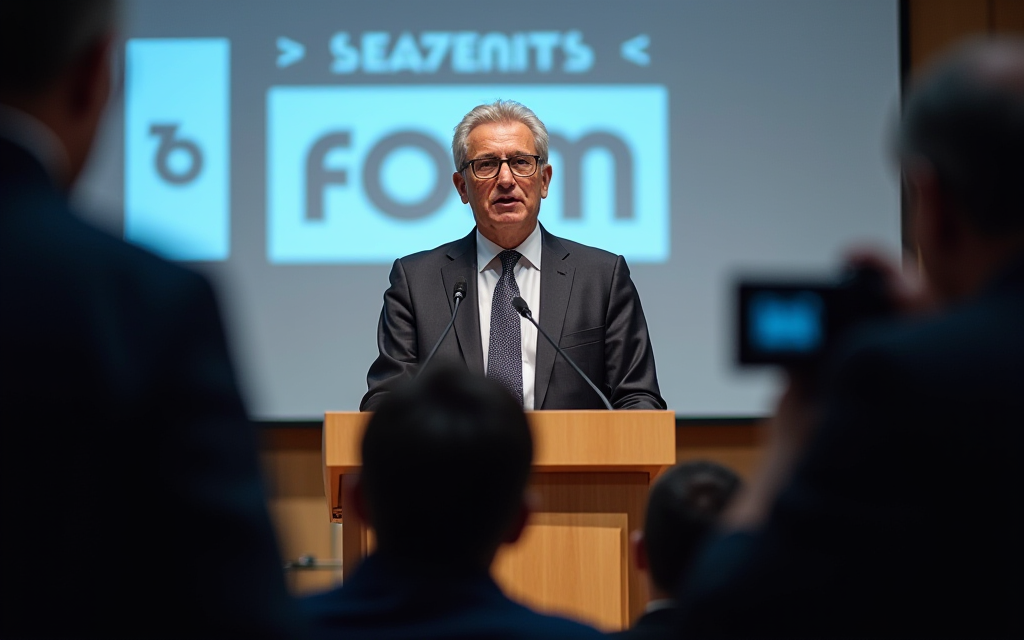
Speaking at a televised news conference in Belgrade on Friday, Saicic said the movement must now prioritize strengthening the rule of law and fighting corruption.
“Now we have the opportunity to turn the freedom we fought for into lasting change,” he said. “The assembly, the government and the courts must once again earn the trust of the people. The same applies to the institution of the president.”
Saicic pledged a “sovereign Serbia in which the constitution will be respected and in which every citizen will be able to live with dignity.” He added that “the last decade was marred by the crumbling of the rule of law, corruption and hate speech.”
“The outgoing regime is still trying to disintegrate our state,” he said. “In order to prevent this, we need to restore the institutions.”
Ceremonial Role but Key Powers
While Serbia’s presidency is largely ceremonial, the president nominates prime ministers and serves as commander-in-chief of the armed forces. The December 27 vote will be the first presidential election in over a decade without Vucic on the ballot, as the constitution limits presidents to two terms.
Vucic, now an opposition member of parliament, has repeatedly suggested his Serbian Progressive Party (SNS) might sit out the election, with a final decision expected in mid-December. The outcome of the presidential race could further reshape Serbia’s political landscape after years of protest and instability.