

Uganda to Withdraw Troops from DR Congo’s Lubero Town Amid Diplomatic Tensions
Uganda's military says it will withdraw troops from Lubero town in eastern DR Congo within two weeks, handing over security to Congolese forces after nearly two years of operations against ADF militants. The announcement follows a diplomatic row over controversial social media posts by Uganda's military chief, Gen. Muhoozi Kainerugaba, who appeared to endorse a rebel takeover of a mineral-rich territory. The ADF remains DR Congo's deadliest armed group despite the joint offensive, raising concerns about civilian safety and regional stability.
Uganda Announces Troop Withdrawal from Lubero
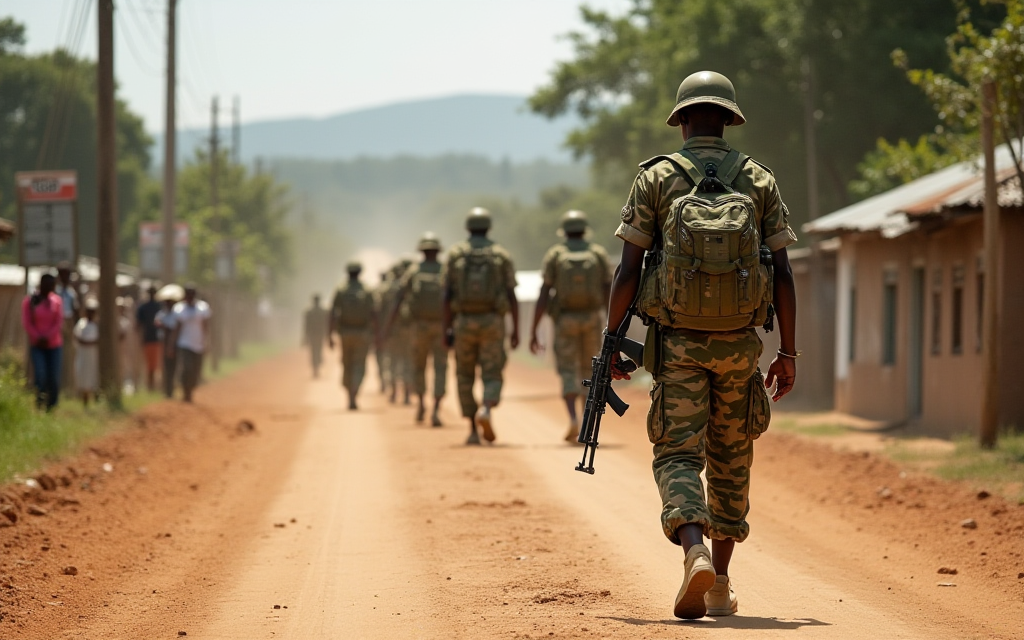
KAMPALA, Uganda — Uganda’s military announced Friday that it will withdraw its troops from Lubero town in eastern Democratic Republic of Congo within two weeks, handing over security responsibilities to Congolese forces after nearly two years of operations against Islamist militants.
The Uganda People’s Defence Forces (UPDF) deployed to Lubero in North Kivu province to pursue fighters from the Allied Democratic Forces (ADF), an Islamic State-affiliated group that originated in Uganda in the 1990s. The withdrawal marks a significant shift in the joint military campaign known as Operation Shujaa, which began in November 2021 following bomb attacks in Kampala.
Army spokesperson Col. Chris Magezi said the joint campaign would continue elsewhere in DR Congo, and the planned withdrawal applies only to Lubero town. The military did not provide a reason for the pullout or confirm whether it was linked to recent diplomatic tensions.
Diplomatic Row Erupts Over Social Media Posts
The announcement comes days after DR Congo summoned Uganda’s top diplomat in Kinshasa over controversial social media posts by Gen. Muhoozi Kainerugaba, Uganda’s military chief and son of President Yoweri Museveni. Gen. Kainerugaba appeared to endorse a rebel takeover of Walikale, a mineral-rich territory in eastern DR Congo, and threatened that Ugandan troops would seize it themselves if the rebels failed.
DR Congo’s foreign ministry described the remarks as “particularly serious” and demanded that Uganda clarify its official position and prevent similar incidents. Gen. Kainerugaba also defended Uganda’s military presence in eastern DR Congo, insisting it was driven by security concerns.
The diplomatic spat has strained relations between the two neighbors despite years of close military cooperation. The withdrawal from Lubero could further complicate regional efforts to stabilize eastern DR Congo, which has endured decades of conflict involving dozens of armed groups.
ADF Remains Deadliest Armed Group in DR Congo
Five years into the joint offensive, the ADF remains DR Congo’s deadliest armed group, according to the conflict monitoring organization Armed Conflict Location & Event Data (Acled). John Ngono, Acled’s DR Congo analyst, said the group was killing an average of four civilians a day and had expanded into previously unaffected parts of eastern DR Congo.
“Operation Shujaa may have improved security in Uganda while shifting the geographical impact of violence within the DRC,” Ngono said. Acled says the group has not carried out an attack in Uganda since June 2025, but its growing interest in mineral resources in DR Congo could help finance its operations and sustain its ability to threaten both countries.
The planned withdrawal comes amid renewed fighting between Congolese forces and rebels in the wider Lubero territory, raising fresh concerns about the safety of civilians. Eastern DR Congo has endured decades of conflict involving dozens of armed groups, with millions of people forced to flee their homes.
Regional Implications and Security Concerns
The withdrawal from Lubero could create a security vacuum in the area, potentially allowing ADF militants to regroup. The joint military campaign, however, is expected to continue in other parts of eastern DR Congo, where Ugandan forces have been operating alongside Congolese troops.
The diplomatic row underscores the fragile nature of the relationship between Uganda and DR Congo, which have cooperated militarily but remain wary of each other’s intentions. The withdrawal may be seen as a gesture to ease tensions, but it also raises questions about the future of bilateral security cooperation.
As the situation develops, the international community will be watching closely to see whether the withdrawal from Lubero signals a broader disengagement or a temporary tactical move. For now, the handover of security responsibilities to Congolese forces will be a critical test of DR Congo’s ability to maintain stability in the region.