

Spain Deploys Emergency Unit as Migrant Surge Hits Canary Islands
Spain's Military Emergencies Unit has been deployed to El Hierro in the Canary Islands to treat migrants arriving by boat from West Africa. Local authorities have appealed for support after a surge in arrivals, which has strained reception facilities. The Atlantic route is one of the world's deadliest migration paths, with thousands of lives lost in recent years. The deployment highlights the growing humanitarian challenge facing Spain and the European Union.
Spain Deploys Military Emergencies Unit to El Hierro as Migrant Arrivals Surge
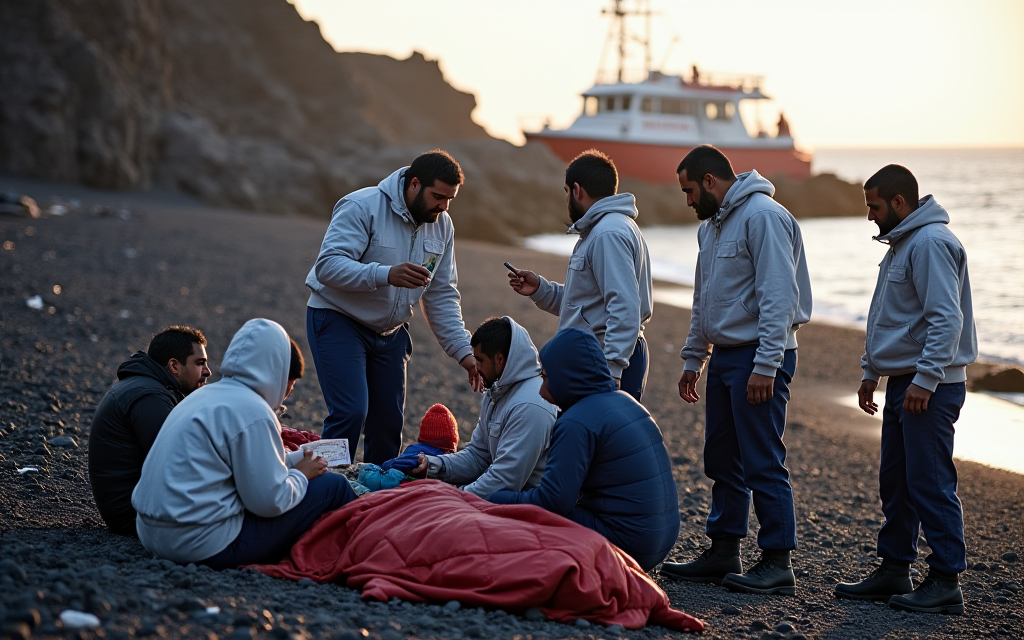
EL HIERRO, Spain — Spain’s Military Emergencies Unit (UME) has been deployed to the Canary Island of El Hierro to provide medical treatment and support to migrants arriving by boat from West Africa, as local authorities appeal for help amid a sharp increase in arrivals.
The migrants, who made the perilous Atlantic crossing, were brought ashore on the island, where UME personnel set up treatment areas and assisted with health screenings. The island’s government has requested additional resources to cope with the surge, which has strained local reception facilities.
What Happened
Hundreds of migrants arrived on El Hierro in recent days, according to Spanish authorities. The UME, a branch of the armed forces specialized in disaster response, was dispatched to treat those in need of medical attention and to help manage the influx. Many of the arrivals were dehydrated, hypothermic, or suffering from injuries sustained during the dangerous sea journey.
The Canary Islands route has become one of the deadliest migration paths in the world, with thousands losing their lives in recent years while attempting to reach Europe from countries such as Senegal, Mauritania, and Morocco.
Why It Matters
The surge in arrivals has overwhelmed local resources on El Hierro, the smallest and westernmost of the Canary Islands. The island’s government has warned that reception centers are at capacity and has called on Spain’s central government and the European Union for additional support.
“We are doing everything possible, but we need more resources,” said a local official, speaking on condition of anonymity. “The situation is critical.”
The deployment of the UME underscores the severity of the situation. The unit has been involved in similar operations in the past, but the scale of recent arrivals has prompted a more robust response.
Context and Background
Migration to the Canary Islands has fluctuated over the years, but 2026 has seen a significant increase compared to previous years. According to data from Spain’s Interior Ministry, more than 30,000 migrants have arrived in the archipelago so far this year, a sharp rise from the same period last year.
The Atlantic route is particularly hazardous due to strong currents, unpredictable weather, and the long distance from the African coast. Many migrants travel in overcrowded, unseaworthy vessels, often lacking basic safety equipment.
Spain has attempted to manage the flow through agreements with transit countries and by increasing patrols, but the root causes of migration—including poverty, conflict, and climate change—continue to drive people to make the dangerous journey.
What’s Next
Spanish authorities have not announced any new policy measures in response to the surge, but the government is under pressure to address the humanitarian situation. The UME’s deployment is expected to continue in the coming days as more arrivals are anticipated.
Local officials on El Hierro have urged the central government to provide additional housing, medical supplies, and personnel. The European Union has also been called upon to assist with relocation efforts and to address the broader migration challenge.
As the situation develops, the focus remains on ensuring the safety and dignity of the migrants who have survived the treacherous crossing.