

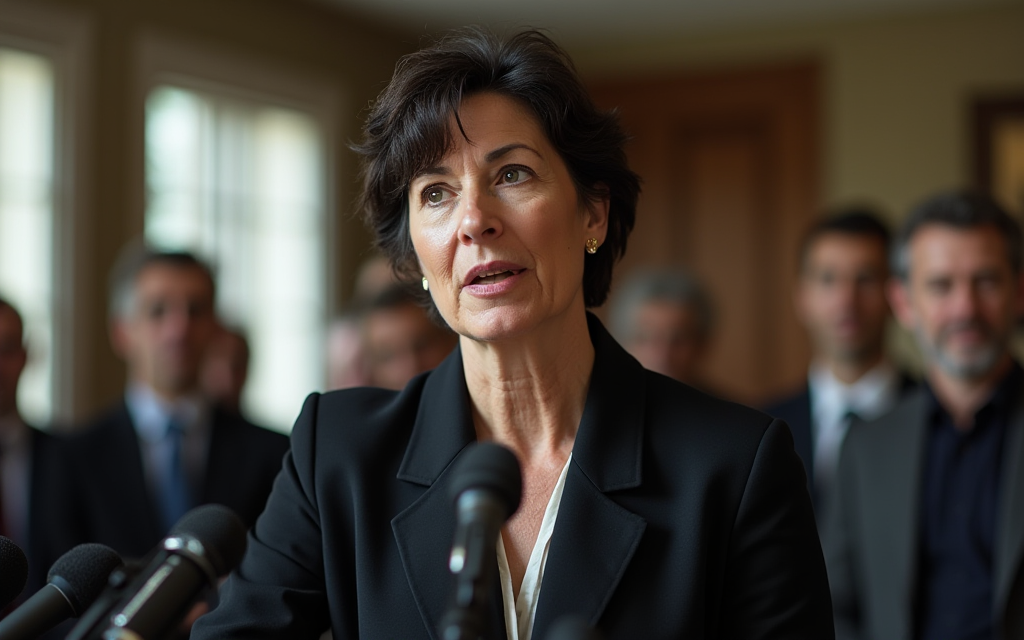
UN Rapporteur Francesca Albanese Seeks Apology from Costa Rica Over Entry Ban
UN Special Rapporteur Francesca Albanese is demanding an apology from Costa Rica after being denied entry on national security grounds. In an Al Jazeera interview, Albanese rejected alleged terrorism links as defamation, calling for evidence or a formal apology. The incident raises questions about diplomatic immunity and international law, with human rights groups condemning the ban and pro-Israel supporters welcoming it. Costa Rica has not publicly detailed its reasons, citing confidential security assessments.
UN Special Rapporteur Denied Entry to Costa Rica
San José, Costa Rica — Francesca Albanese, the United Nations Special Rapporteur on the situation of human rights in the Palestinian territories occupied since 1967, is demanding an apology from Costa Rica after being denied entry into the country on national security grounds. In an interview with Al Jazeera aired on November 28, 2026, Albanese accused Costa Rican authorities of defamation and challenged them to provide evidence of alleged terrorism links or issue a formal apology.
The incident occurred when Albanese attempted to enter Costa Rica, reportedly to attend a conference or event, but was stopped by immigration officials who cited national security concerns. The Costa Rican government has not publicly detailed the specific reasons for the ban, but local media reported that officials referenced alleged links to terrorism—claims Albanese vehemently denies.
Albanese: ‘I Demand Evidence or an Apology’
Speaking to Al Jazeera, Albanese said she was given no prior warning and was shocked by the decision. “I have never been involved in any terrorist activity. I am a UN official carrying out a mandate given by the Human Rights Council,” she said. “Costa Rica must either present credible evidence to support these allegations or apologize for the defamation.”
Albanese, an Italian international lawyer, has served as Special Rapporteur since 2022. Her reports and statements have often been critical of Israel’s policies in the occupied territories, drawing praise from human rights groups and criticism from Israeli officials and their allies. She has previously faced entry bans or restrictions in other countries, including Israel, but this is the first known incident with a Latin American nation.
The Costa Rican Foreign Ministry has not responded to requests for comment. However, a government spokesperson told local media that the decision was based on “confidential security assessments” and followed standard procedures.
International Law and Diplomatic Immunity Questions
As a UN Special Rapporteur, Albanese enjoys certain privileges and immunities under the Convention on the Privileges and Immunities of the United Nations. Legal experts say that denying entry to a UN mandate holder without clear justification could violate international obligations.
“States have the right to control their borders, but when it comes to UN experts, they must act in good faith and provide reasons if they restrict access,” said Dr. Maria Fernández, a professor of international law at the University of Costa Rica. “The allegation of terrorism is extremely serious and requires substantiation.”
The UN Human Rights Office (OHCHR) has not publicly commented on the matter, but diplomats say behind-the-scenes discussions are underway to resolve the dispute.
Reactions and Implications
Human rights organizations have condemned Costa Rica’s decision. Amnesty International’s Americas director, Ana Piquer, said in a statement: “Denying entry to a UN expert on vague national security grounds sets a dangerous precedent. Costa Rica must uphold its international commitments and respect the independence of UN mandate holders.”
Supporters of Israel, however, have welcomed the move. The Israeli Ministry of Foreign Affairs declined to comment, but pro-Israel groups on social media praised Costa Rica for “standing against antisemitism.” Albanese has repeatedly rejected such accusations, saying her criticism is aimed at state policies, not any religion or people.
The incident comes amid heightened tensions over the Israeli-Palestinian conflict, with the UN Human Rights Council set to review Albanese’s mandate in March 2027. Some Western countries have called for her removal, while others defend her work.
For now, Albanese says she is considering legal options. “I will not be silenced by baseless accusations,” she told Al Jazeera. “I expect Costa Rica to act like a democracy and either prove its claims or apologize.”