

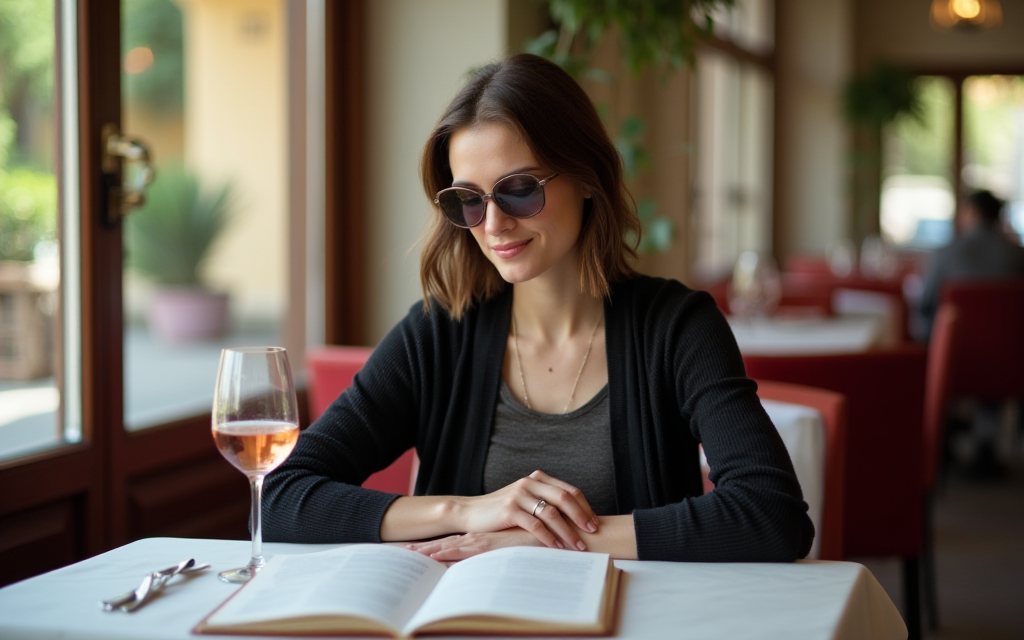
Solo Dining Surges as Diners Embrace Tables for One as Self-Care
Solo dining is the fastest-growing booking category on OpenTable UK, rising 23% year over year, as diners book high-end tables for one as an act of self-care. Foodie Catherine Smith, 23, spends £100 to £200 per solo meal and calls it empowering, though some restaurants still reject single diners. Venues like Jungli in Newcastle are adding bar seats and charging points to attract them.
Solo dining is rising fast in the UK and beyond, with diners increasingly booking high-end restaurant tables for one as an intentional act of self-care rather than a stopgap when friends are unavailable, according to industry data and interviews with solo diners.
A Table for One, By Choice
Catherine Smith, 23, from Yorkshire, began dining alone at university and now books a solo table at least once a month, often at upscale restaurants she would not visit with friends or family. She researches venues in the UK and abroad and typically spends between £100 and £200 per meal.
“I think what is so special about solo dining is that you don’t have to wait for people to make those plans. You can go out and do them yourself,” Smith said while dining at a high-end Mediterranean restaurant.
She said the freedom to choose where and when she eats “feels empowering,” describing it as “not only a form of self-care but also a form of female liberation.” While dining solo, she reads, journals or simply enjoys the quiet.
Bookings Climb as Trend Goes Mainstream
Online booking platform OpenTable, which covers more than 5,000 UK restaurants, said solo dining remains its smallest booking category but is its fastest-growing. From Jan. 1 to Aug. 31 this year, solo bookings rose 23% compared with the same period a year earlier, according to figures the company did not provide to the BBC for verification.
Charles Banks, joint managing director of food trends agency The Food People, said eating alone is “becoming an intentional act, a little pocket of independence, indulgence and self-care.” He said solo dining is not new but has become “almost aspirational” as society changes.
Not all restaurants welcome the shift. Banks noted a single diner can feel like “an inefficient use of a table rather than a customer the restaurant actively wanted.” SoloTable, a website that identifies restaurants suitable for solo diners, found that one in eight of 178 London restaurants it surveyed did not accept online reservations from solo diners.
Smith said she has been turned away in the past. “There are a lot of restaurants that I’ve wanted to go to before where they don’t actually allow solo diners,” she said. “And I’ve always found that to be really disappointing.”
Restaurants Adapt to a New Customer
Some venues are courting solo diners. Jungli, an Indian restaurant in Newcastle upon Tyne, has installed high tables, bar seats and charging points for laptops and phones. Co-founder and director Yousaf Khalid said the goal is to make guests comfortable walking in alone.
The restaurant has hired staff with “bigger personalities” to engage customers in conversation while knowing when to leave them in peace, he said, adding that solo diners could become another useful business stream.
The trend is not confined to the UK. Nishi Singh, an avid solo diner in London, found it less accepted after moving to Delhi, where a stranger assumed she had been stood up. She began documenting her experiences on social media, and many people responded that they wanted to try solo dining but were afraid.
Smith urged anyone curious about solo dining to try it. “Food is a great way to bring people together, but it’s also a great way to have good experiences on your own,” she said. “I think with time, people will see and will start to accept it as something that’s more normal.”