

Global Rallies Demand End to Violence Against Women as UN Reports 47,000 Femicides
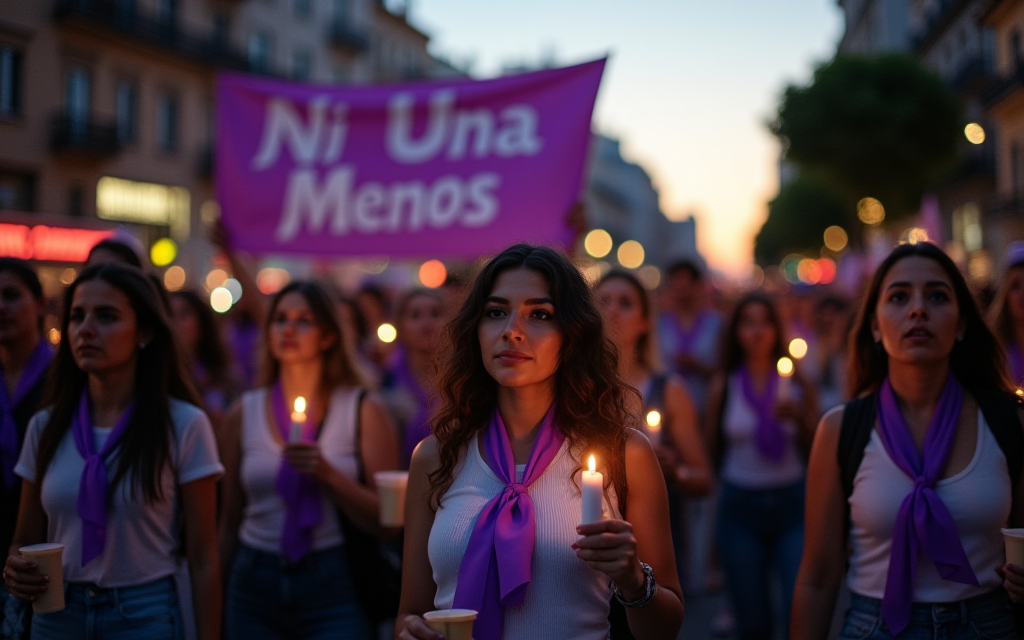
Thousands rallied worldwide on the International Day for the Elimination of Violence Against Women, demanding action as UN reports 47,000 femicides in the past year. From Latin America to Europe, protesters honored victims and called for stronger protections.
Global Outcry Against Gender-Based Violence
On the International Day for the Elimination of Violence Against Women, thousands of protesters took to the streets in cities across the world to denounce violence against women and demand action. The rallies came as the United Nations reported that about 47,000 women and girls were intentionally killed by intimate partners or family members in the past year.
The figure, released in the 2026 Femicide Brief by the UN Office on Drugs and Crime (UNODC) and UN Women, highlights the persistent scourge of gender-based killings. Although the number is slightly lower than the 2024 estimate of 50,000, the UN cautioned that the decline largely reflects improved data collection rather than a real reduction in femicides.
Latin America: A Region United in Grief and Anger
In Latin America, where femicide rates are among the highest in the world, protests were particularly poignant. In Bolivia, women danced in the streets of El Alto with the names of femicide victims displayed on their skirts. In Mexico City, demonstrators carried portraits and crosses to honor those lost. Argentina saw massive marches in Buenos Aires, while in Colombia, people gathered in Medellin to demand justice. Chile and Ecuador also witnessed powerful demonstrations, with one protester in Quito wearing a wedding dress adorned with photos of victims.
These protests underscore a regional crisis: Latin America has some of the highest rates of gender-based violence globally, and activists are calling for stronger legal protections and better enforcement.
Europe: Clashes and Calls for Change
In Europe, rallies were marked by both solidarity and tension. In Rome, protesters faced riot police near St. Peter’s Square, highlighting the friction between demonstrators and authorities. In Madrid, thousands marched peacefully through the streets, while in Berlin, demonstrators arranged red shoes on a white sheet to symbolize the victims. Ankara, Sofia, and Skopje also saw rallies, with protesters in North Macedonia gathering in front of Parliament to demand an end to femicide.
The protests in Europe come amid growing concerns over rising violence against women and cuts to support services in some countries.
The Global Picture: No Region Spared
The UN data reveals that while overall homicide rates have declined worldwide, femicide rates have fallen at a slower pace. No region is immune to this violence. The 2026 Femicide Brief emphasizes that gender-based killings are a global emergency that requires urgent action.
As rallies continue, activists are calling for governments to implement comprehensive strategies to prevent violence, protect survivors, and hold perpetrators accountable. The message is clear: the world must do more to end the killing of women and girls.
