

North Korean Defectors Detail Brutal Persecution of Christians in New Report
A new report by Korea Future reveals the brutal persecution of Christians in North Korea, based on testimonies from 570 defectors. Survivors describe secret prayers, surveillance, imprisonment, and beatings, painting a picture of systematic religious oppression under Kim Jong Un's regime. Despite the risks, many North Koreans cling to their faith as a source of hope and resistance.
Secret Faith Under a Watchful Eye
In North Korea, Christians live under constant threat of surveillance and punishment. A new report by human rights group Korea Future, based on interviews with 570 defectors, reveals a system of state-sponsored persecution that targets religious believers with imprisonment, beatings, and forced labor. The report, spanning five years of research, documents how Kim Jong Un’s regime systematically violates religious freedom, treating Christianity as a dangerous ideology that undermines the cult of personality surrounding the leader.
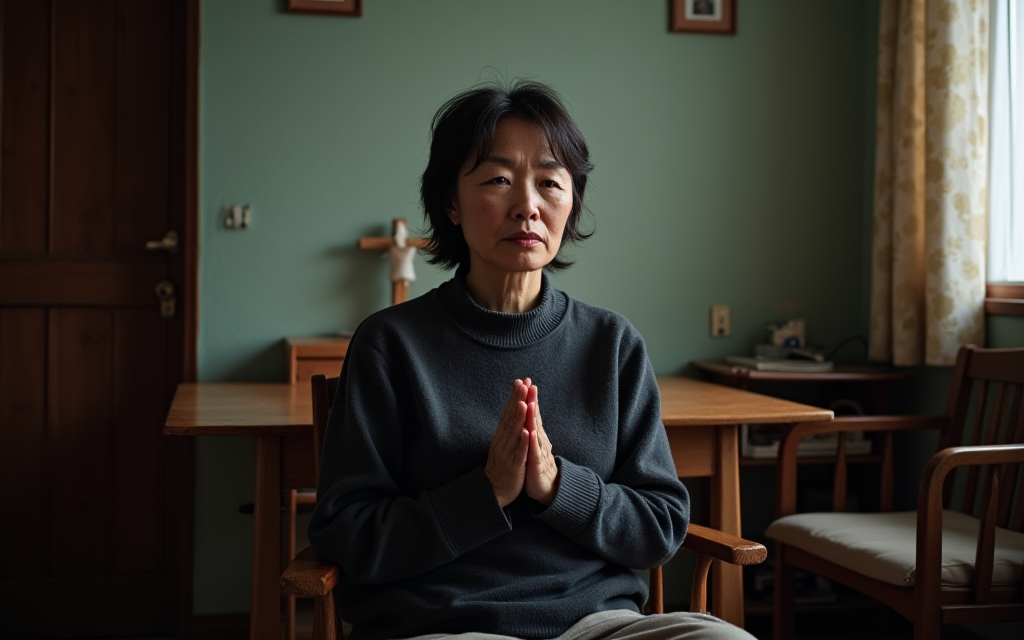
Kim Bo-bin, now 44 and living in South Korea, recalls praying with her eyes open to avoid detection. “In North Korea, if there are three people in a room, you are being spied on,” she told the BBC. Her story of secret hymns and silent prayers is echoed by many others who fled the country. The report suggests that little has changed despite international pressure, with incidents of torture and beatings reported as recently as last year.
A Legacy of Repression
Christianity arrived in Korea in the late 18th century and flourished in the north before the division of the peninsula. Today, the UN estimates that 200,000 to 400,000 North Koreans practice their faith in secret, risking everything to worship. Under Kim Jong Un, surveillance has intensified, with a network of informants and police monitoring suspicious activities. Owning a Bible or hosting a religious service can lead to imprisonment, while distributing religious materials is punishable by death.
Kim Bo-bin grew up in North Hamgyong province, a region historically home to those deemed “untrustworthy” by the state, including Christians. She remembers an elderly neighbor who would disappear into a coal shed each morning to chant words she didn’t understand. Years later, after fleeing to China and encountering a missionary, Kim realized the woman was a Christian. Her own conversion came at a cost: she was arrested, beaten for 23 days, and sentenced to three years of hard labor.
Surveillance and Indoctrination
From kindergarten, North Koreans are taught that religion is a superstition. Children attend self-criticism sessions where they are warned against faith, and the Ten Principles of the regime demand absolute loyalty to the Kim family. The report documents how police and neighborhood spies monitor citizens, with one former informant describing how she was instructed to gather information on neighbors’ worship. The authorities also maintain intergenerational records of families’ beliefs, condemning Christians’ children and grandchildren to a life without higher education or decent careers.
Despite the risks, many North Koreans turn to religion because their lives are so precarious. “Faith offers them something that the state ideology cannot,” says co-author James Burt. For Kim Bo-bin, prayer became a lifeline. Even in prison, she and fellow Christian inmates would hold hands and whisper Bible verses from memory. Lee Young-joo, who met Kim in prison after being deported from China, recalls guards swearing and shouting if anyone closed their eyes: “Are you praying?”
Life After Escape
Today, Kim Bo-bin and Lee Young-joo live in South Korea, where they continue to practice their faith openly. Kim converted her younger sister and other relatives while still in North Korea, teaching them hymns in a room with thick walls. Lee attends a small church of North Korean escapees in Seoul, praying daily to thank God for simple blessings like chicken soup and a stroll along the river. She also prays for her daughter, who remains in China.
The report’s findings underscore the resilience of faith in the face of oppression. While North Korea maintains that it allows religious freedom, state-sanctioned churches in Pyongyang are widely seen as a facade. As Professor Kang Dong-wan of Dong-a University notes, the regime cannot tolerate any authority above the leader’s. For Christians like Kim and Lee, faith is an act of quiet defiance—a testament to the human spirit’s refusal to be extinguished.
