

WHO Chief Urges End to US Fuel Blockade on Cuba Amid Healthcare Crisis
WHO Director-General Tedros Adhanom Ghebreyesus has urged the US to lift its fuel blockade on Cuba, warning of severe harm to the Cuban people, especially children. During a visit to Havana, he announced $2 million in UN aid for immunisation and medical equipment as Cuba's healthcare system struggles with critical shortages, power outages, and a declining life expectancy. The US defends the sanctions as a push for political change, but the UN and international community continue to condemn the embargo.
WHO Calls for Lifting of US Fuel Blockade on Cuba
In a significant development, the Director-General of the World Health Organization (WHO), Tedros Adhanom Ghebreyesus, has called for the lifting of a US fuel blockade on Cuba, warning that the sanctions are endangering the lives of children and causing direct harm to the Cuban people. The appeal came during a three-day visit to the island nation, where Tedros toured several healthcare facilities in Havana and met with President Miguel Díaz-Canel.
The WHO chief’s visit underscores growing international concern over the deteriorating healthcare situation in Cuba, which has been exacerbated by severe fuel shortages and sanctions. The United Nations has repeatedly warned of a humanitarian crisis, describing the US blockade as a violation of international law and the human rights of Cubans.
Impact on Cuba’s Healthcare System
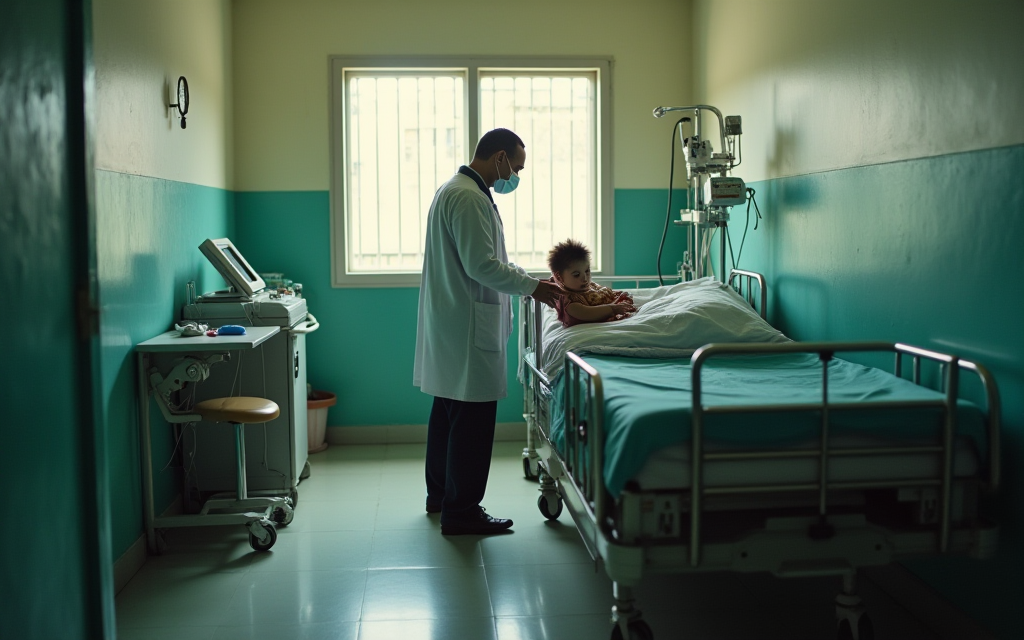
Cuba’s once-vaunted healthcare system is now struggling with critical shortages of medicines, surgical supplies, and fuel, leading to daily power outages lasting up to 20 hours. According to the Cuban government, these measures have caused a decline in key health indicators, including infant mortality rates.
During a news conference, Tedros revealed that Cuba’s life expectancy has fallen from 78.8 years in 2020 to 74.4 years in 2025—the first decline since records began in 1950. The 2025 figures predate the imposition of a fuel blockade and stiff sanctions by the Trump administration in January, which Washington claims are intended to push for political change while maintaining that food and medicine exports are subject to legal exemptions.
The WHO has allocated $2 million to help strengthen Cuba’s national immunisation programme and provide essential medical equipment to healthcare facilities. Tedros emphasized the need to prioritize essential health services and time-sensitive interventions, particularly for children, stating, “Fuel restrictions and sanctions affecting the purchase of medical products are severely impacting the health system that Cuban doctors have built over decades.”
International Response and US Position
The United States has consistently defended its sanctions, arguing that they are a tool to promote democracy and human rights in Cuba. However, the UN General Assembly has passed an annual non-binding resolution calling for an end to the US embargo on Cuba by wide margins every year since 1992, reflecting widespread international opposition to the measures.
The WHO’s intervention adds to the pressure on the US to reconsider its policies, as the health crisis deepens and the Cuban people face increasingly dire conditions. The organization’s $2 million contribution, while welcomed, is seen as a temporary relief amid a broader systemic issue that requires political resolution.
As the international community continues to voice concerns, the plight of Cuba’s healthcare system remains a stark reminder of the human cost of prolonged sanctions. The WHO’s call for the lifting of the fuel blockade highlights the urgent need for humanitarian considerations to transcend political differences.
