

Next Recalls Baby Sleeping Bag After Mum’s Safety Alert
Next has recalled a baby sleeping bag after a mother discovered the neck opening exceeded safety standards, posing a suffocation risk. Emma Hunter's vigilance led to the product's removal from sale and a recall. The incident highlights the importance of rigorous safety checks and consumer awareness in infant products.
Next Halts Sales of Baby Sleeping Bag Following Safety Concerns
UK fashion retailer Next has stopped selling a baby sleeping bag and issued a product recall after a new mother raised alarm over a potentially fatal design flaw. Emma Hunter, 29, from Norwich, discovered that the neck opening on the 2.5 tog pink floral sleep bag was significantly wider than safety standards permit, posing a suffocation risk to her three-month-old daughter, Rosie.
Next confirmed the item has been removed from its website and stores, and it is contacting customers who purchased the product to advise them on next steps. The recall highlights ongoing concerns about the safety of infant sleep products and the importance of rigorous quality control.
The Discovery: A Mother’s Instinct
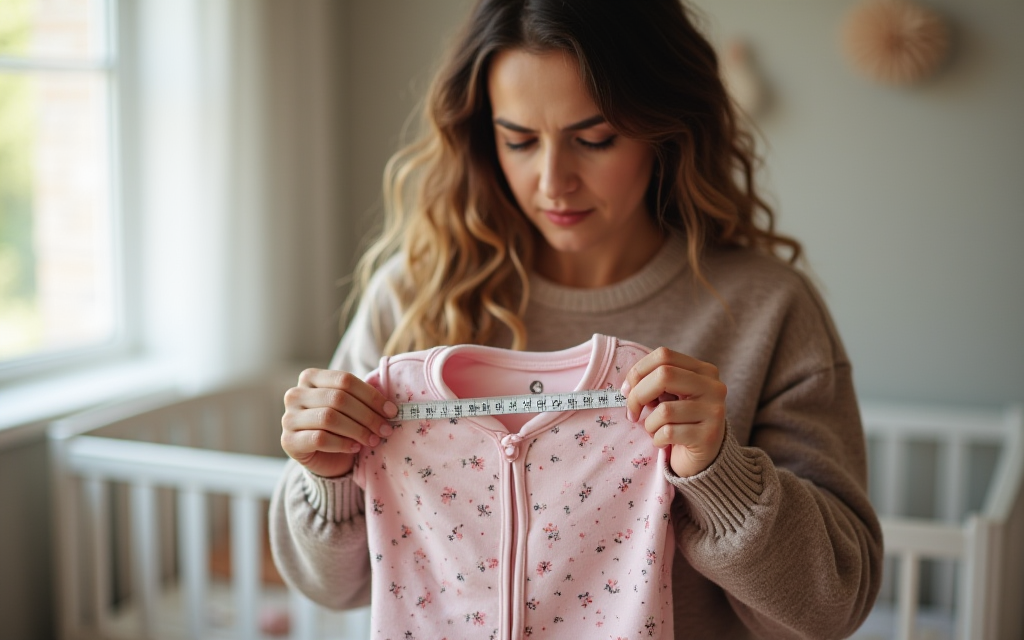
Emma Hunter purchased the sleeping bag for her daughter Rosie, who measured 59cm at the time—within the 0-6 month size range. Although the product label claimed compliance with British standards, Emma noticed the neck hole appeared unusually large. Upon measuring, she found the neck circumference was 36cm, while the EN 16781 standard specifies a maximum of 32cm for a child of that height.
“I woke up my husband and we both agreed there was no way we could put Rosie in it,” Emma recalled. Her vigilance likely prevented a tragedy. According to the British Retail Consortium (BRC), if a baby slips through an oversized neck opening, the fabric can cover the nose and mouth, leading to suffocation, oxygen starvation, and potentially fatal consequences.
Emma’s concern was heightened by personal tragedy: her older brother died of Sudden Infant Death Syndrome (SIDS) as a baby. “It shouldn’t take an infant mortality to see change,” she told the BBC. “They didn’t have any sense of urgency about it at all.”
Retailer Response and Safety Standards
Next initially offered Emma a refund but seemed slow to act, she said. After she persisted, the company removed the product and initiated a recall. A Next spokesperson stated: “We can confirm the item has been removed from our website and all stores. A product recall is in place, and we are contacting all customers who purchased the item directly to advise them of the appropriate next steps.”
The EN 16781 standard sets strict requirements for neck openings in baby sleep bags to prevent suffocation. For a child 50-65cm tall, the neck circumference must be between 28cm and 32cm. The recalled Next bag’s 36cm opening fell outside this range, despite the label claiming compliance.
Ruth Watts, a qualified health visitor, advises parents to check the gap around the neck: “If you can fit one to two fingers around the neck then that’s safe. If it’s any tighter or looser than that, then you shouldn’t use it.” She also emphasises that if a sleeping bag covers the chin or face in any way, it should not be used.
Broader Concerns and Consumer Advice
The Lullaby Trust, a UK charity dedicated to preventing sudden infant deaths, encourages families to verify that products meet safety standards and to follow manufacturer instructions. CEO Jenny Ward said: “If a family is worried about any product we would say to stop using it and contact the manufacturer.” The charity supports recent warnings from the Office for Product Safety and Standards (OPSS) regarding certain baby sleep bags.
Parents can check for product recalls on the OPSS website. This incident underscores the critical role of consumer vigilance and the need for retailers to uphold safety standards. As Emma Hunter’s experience shows, a parent’s intuition and persistence can drive essential changes to protect infant health.
Next has not disclosed how many units were sold or whether other sizes are affected, but the recall serves as a reminder for parents to regularly inspect baby sleep products and report any concerns to retailers and authorities.
