

Houthi Attacks Test Saudi Arabia’s Image of Security as Strikes Reach Riyadh
Houthi drone and missile attacks on Saudi Arabia have surged since July, striking Riyadh's airport and financial district, killing 13 and injuring hundreds. The attacks test the kingdom's image of security as it pours billions into tourism and investment. Despite intercepted strikes and disrupted flights, daily life continues in the capital, but residents admit fear. In Yemen, the humanitarian crisis deepens with mass displacement and civilian casualties.
Houthi Attacks Escalate, Reaching Deep into Saudi Territory
RIYADH, Saudi Arabia — Saudi Arabia is facing a surge in drone and missile attacks from Houthi rebels in Yemen, testing the kingdom’s carefully cultivated image as a safe and stable destination for business and tourism. Since an informal ceasefire unraveled in July, the Iran-backed Houthis have launched hundreds of attacks on Saudi cities, including the capital Riyadh, according to data from the Armed Conflict Location and Event Data Project (ACLED).
A deadly strike on Riyadh’s international airport on October 10 killed 13 people and injured more than 300, the deadliest attack on Saudi soil in years. The Houthis said they were retaliating for Saudi airstrikes and a blockade on Yemen.
Deadly Airport Attack Shakes Capital
Surveillance footage showed the moment a missile struck King Khalid International Airport, sending passengers fleeing amid smoke and debris. Majid, a 25-year-old engineer, was at the airport that day en route to a religious pilgrimage. He described seeing a man covered in blood and injured passengers being carried to first aid clinics. “The threat is real,” he said. “But I will not let the Houthis make me feel unsafe in my own country.”
ACLED recorded 274 attacks on Saudi Arabia between July 1 and November 25, compared to just one in the previous five months. Most were intercepted, but at least 41 struck targets or caused damage from debris. Drones were used in nearly two-thirds of the attacks, and ballistic missiles in more than half, indicating the Houthis’ increasingly sophisticated arsenal.
Economic Hub Targeted as Business Continues
The attacks have reached Riyadh’s financial district, with two prominent skyscrapers hit this month. On November 19, a strike on the Public Investment Fund (PIF) Tower, the kingdom’s tallest building and headquarters of its sovereign wealth fund, injured 11 people. The Aramco building, home to the state oil company, was also damaged. Within days, the exterior of the Aramco tower was repaired, erasing visible signs of the attack—a reflection of Saudi determination to project stability.
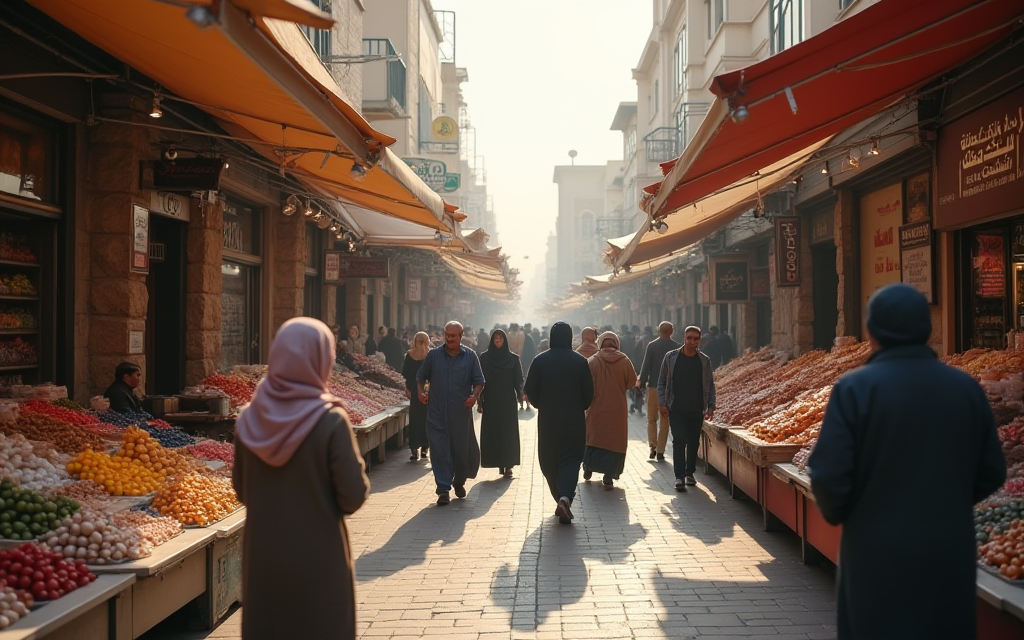
Flights to Riyadh have been severely disrupted, with many passengers routed through other airports and completing their journeys by land. Yet on the streets of Riyadh, restaurants are bustling and markets are busy. “I sleep comfortably,” said Badr, a stallholder, praising security forces. But the normality is periodically shattered by phone alerts warning of incoming attacks, followed by the booms of air defenses intercepting missiles.
Humanitarian Crisis Worsens in Yemen
The renewed fighting has intensified suffering in Yemen. More than 360,000 people have been displaced since August, according to the International Organization for Migration, and the UN has verified 323 civilian casualties, including 76 killed, half of them children. In Taiz, a government-held city under Houthi siege, road closures have cut off more than 800,000 people from humanitarian aid, Unicef says.
Abu Khalil, a Yemeni who fled Sanaa and now sells socks on the streets of Riyadh, worries about his wife and four children still in the capital. “I ran away from the Houthis but I couldn’t bring my family with me,” he said. “May God protect them.” He hopes to bring them to Saudi Arabia soon, but says he “will not go back until the Houthis are gone.”
British expatriate Alex Malouf, who has lived in Saudi Arabia since 2006, said the attacks have taken a psychological toll on his 11-year-old daughter. “There have been times when my daughter has said, ‘Daddy, I’m scared,'” he said. “It has been something which I think has shaken our reality.”