

Kenyan Cult Leader Paul Mackenzie Convicted of Manslaughter in 123 Additional Deaths
A Kenyan court has convicted doomsday cult leader Paul Mackenzie of manslaughter in the deaths of 123 followers who starved to death in Shakahola forest. The conviction follows his 200-year sentence for murdering 191 people, mostly children. Mackenzie's wife and 28 others were also convicted, while 60 were acquitted. The case has exposed failures in regulating rogue religious groups in Kenya.
Kenyan Cult Leader Convicted in Additional Manslaughter Case
MOMBASA, Kenya — A Kenyan court on Friday convicted doomsday cult leader Paul Mackenzie of manslaughter in the deaths of 123 followers who were ordered to fast to death in a forest near the Indian Ocean coast, prosecutors said.
The conviction adds to the 200-year sentence Mackenzie received earlier this month for murdering 191 people, most of them children, in the same mass killing. The court also convicted 29 others, including Mackenzie’s wife, Rhoda Mumbua Maweu, for their roles in the manslaughter case. Sixty defendants were acquitted, and the Director of Public Prosecutions said it would appeal those acquittals.
Mackenzie, who had pleaded not guilty, plans to appeal the conviction, according to his lawyer.
Background: The Shakahola Forest Massacre
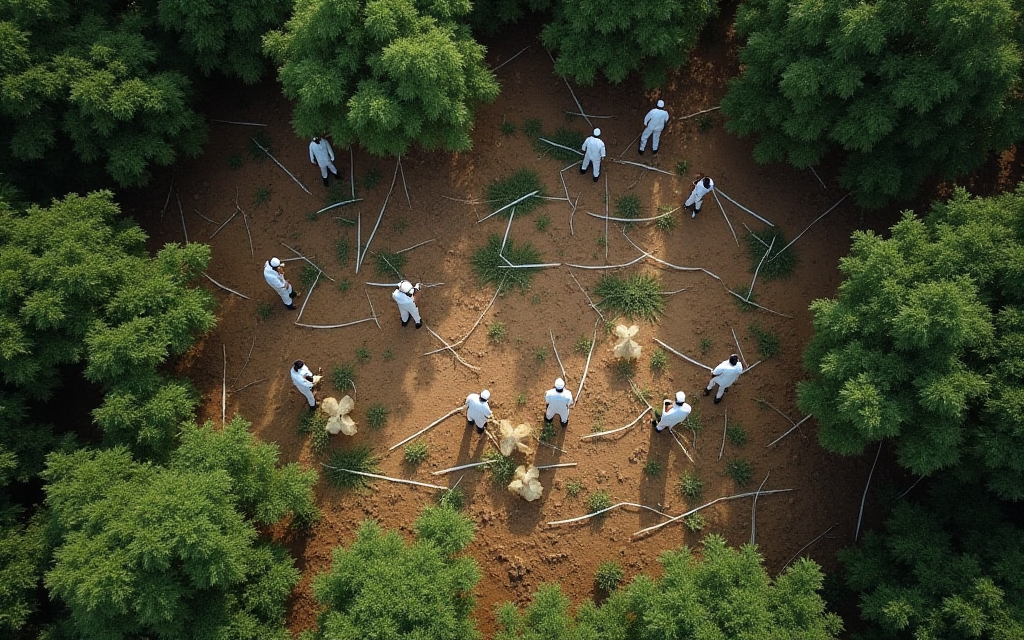
Mackenzie was arrested in 2023 after authorities discovered more than 400 bodies in shallow graves in Shakahola forest, near the coastal town of Malindi. The victims were followers of his Good News International Ministries, which he founded in 2003.
Witnesses testified that Mackenzie preached that education, medicine, and ornaments were sinful, and that his followers should fast to death to “meet Jesus.” The court found that he “systematically persuaded his followers to fast until they died,” according to a statement from Kenya’s Office of the Director of Public Prosecutions.
“Children were to go first, then women and then men, with Mackenzie himself meant to die last,” the statement said. The prosecution argued that Mackenzie and his accomplices acted as part of a suicide pact.
Survivors described a community of mud houses scattered across the vast forest, where followers lived a quiet life with occasional fasting. Those who opposed Mackenzie’s teachings were beaten to death, according to the verdict in the murder trial.
Impact on Victims’ Families and Kenyan Society
The revelations shocked Kenya and prompted President William Ruto to establish a commission of inquiry, though it was later declared unconstitutional. The case has highlighted the lack of oversight of rogue religious activities and raised questions about how such atrocities could continue for so long.
Stephen Mwiti, 48, who lost all six of his children to the cult, welcomed the convictions. “I’m a happy man, that all persons have been convicted,” he told the BBC outside court last month. “All six of my children died in Shakahola forest. I only found and buried the remains of my son Samuel.”
Gravediggers who exhumed the bodies described finding multiple bodies in each grave, including children as young as a few weeks old. Some children’s hands and legs were tied, and their bodies were wrapped in bedsheets. Post-mortem records showed many victims died of starvation.
Additional Convictions and Legal Proceedings
Earlier this week, Mackenzie was also convicted of assault causing actual bodily harm, five counts of cruelty to a child, engaging in organized criminal activity, radicalization, facilitating the commission of a terrorist act, and possession of an article connected with an offense under Kenya’s Prevention of Terrorism Act.
The manslaughter conviction is considered the final conviction in the cases against Mackenzie, though appeals are expected. The prosecution’s appeal against the acquittals of 60 defendants could prolong the legal process.
The case has drawn international attention to the dangers of cult leadership and the need for better regulation of religious organizations in Kenya.