

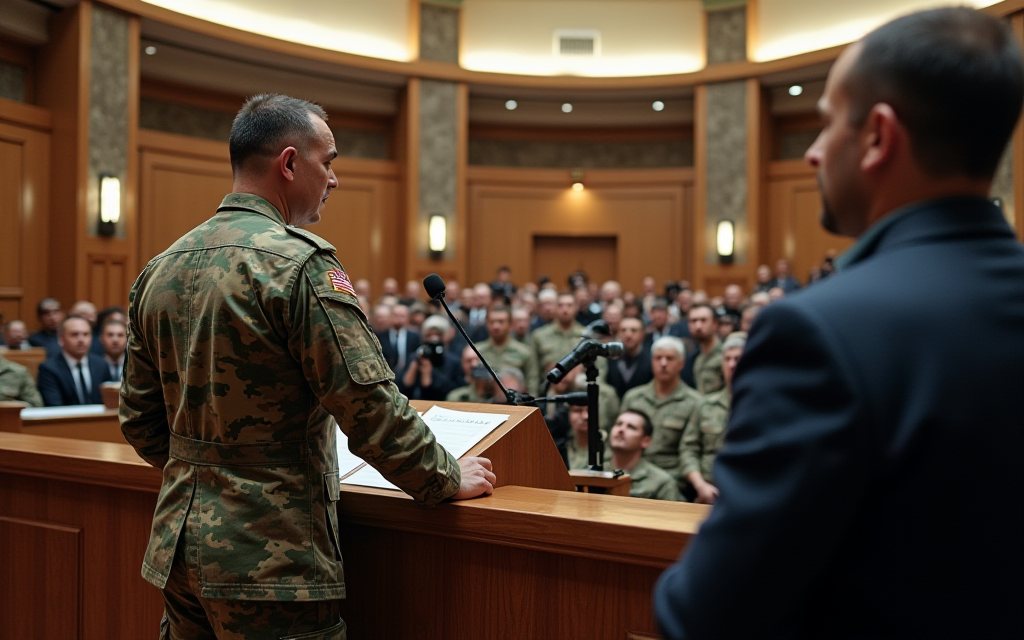
Guinea-Bissau Military Junta Postpones Elections to 2028, Delaying Return to Civilian Rule
Guinea-Bissau's military junta has postponed elections to November 2028, citing insufficient preparations, extending military rule by two years. The move comes a year after the coup that ousted President Umaro Sissoco Embaló, raising concerns about the country's democratic transition. The presidency says the delay will ensure credible polls, but critics fear it consolidates military power in a nation with a history of instability.
Guinea-Bissau’s military leaders have postponed presidential and parliamentary elections by two years, citing insufficient preparations, in a move that extends military rule until 2028.
BISSAU, Guinea-Bissau — Guinea-Bissau’s military rulers announced on Thursday that they have postponed elections scheduled for next week by two years, delaying the country’s return to civilian rule until November 2028. The decision comes exactly a year after the military seized power, promising a 12-month transition.
Transitional President Gen. Horta N’Tam issued a decree stating that the presidential and parliamentary elections, originally set for Dec. 6, 2026, will now take place on Nov. 26, 2028. The presidency said an assessment found insufficient “technical, material and financial conditions” to hold credible polls.
The delay raises concerns about the military’s commitment to democracy in a country that has experienced numerous coups since independence from Portugal in 1974. The international community has yet to respond to the announcement.
Background: Coup and Transition
Gen. N’Tam was sworn in as transitional president a day after the military overthrew President Umaro Sissoco Embaló in November 2025. The coup occurred three days after general elections and a day before provisional results were due. Both Embaló and his main challenger, Fernando Dias, had claimed victory.
Embaló, who has been living in exile in Morocco, was barred from returning last month despite expressing interest in contesting the elections. The military’s move to delay the vote effectively extends its rule indefinitely.
Reactions and Implications
The presidency’s statement said the delay would allow more time to ensure elections are “credible, transparent and inclusive,” with all candidates given equal opportunities. It also reiterated a commitment to hold local elections but gave no date.
Political analysts suggest the postponement could trigger domestic unrest and international criticism. The West African regional bloc ECOWAS, which has mediated in past crises, may face pressure to respond. The United Nations and other partners have previously called for a swift return to constitutional order.
Guinea-Bissau has a history of political instability, with multiple coups and attempted coups. The latest delay underscores the challenges of consolidating democracy in the region.
What’s Next
With the new election date set for 2028, the military government has two more years to consolidate power. Opposition figures and civil society groups have yet to react publicly. The international community will be watching closely to see if the military honors its new timeline or further extends its rule.
For now, Guinea-Bissau remains under military leadership, with the promised return to civilian rule pushed further into the future.