

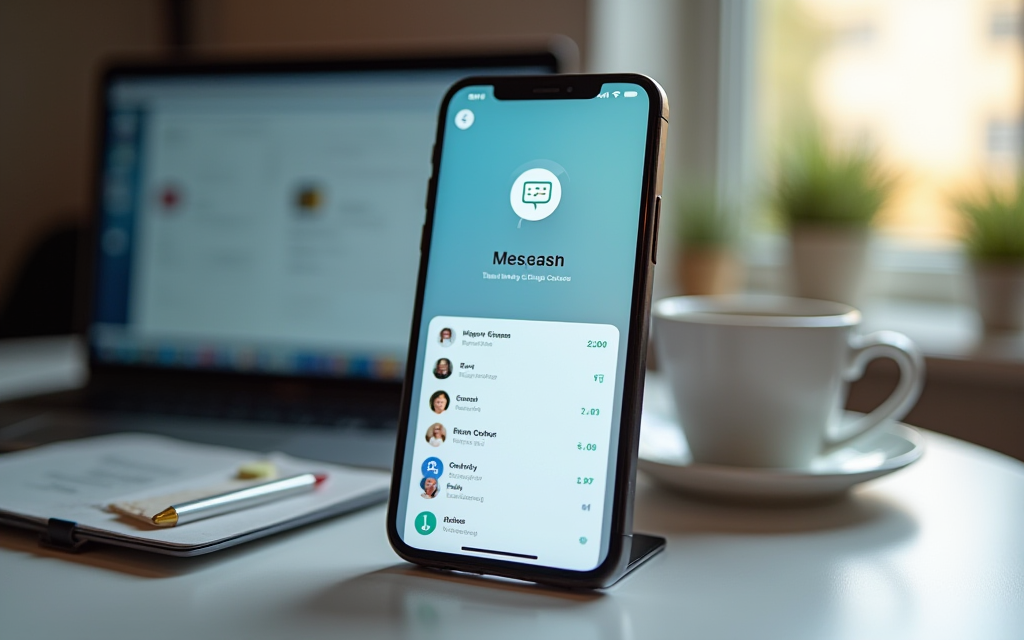
Meta’s Muse AI Agent Launches in UK: Helpful but Awkward, Says Reviewer
Meta's AI agent Muse has launched in the UK, promising to handle tasks like finding deals and organizing schedules. A week-long test reveals it's helpful but awkward, raising privacy concerns and sometimes making cringeworthy mistakes. With Meta's massive AI investment, Muse aims to become the go-to agent for billions, but user trust and experience remain key challenges.
Meta’s Muse AI Agent Arrives in the UK
Meta has launched its new AI agent, Muse, in the UK, marking a significant step in the company’s ambitious push into artificial intelligence. The technology giant has invested heavily in AI, with a substantial portion of its $145 billion annual spending directed toward AI development. Muse is designed to be a personal AI agent that not only answers questions but also performs tasks on behalf of users, such as searching for cheaper energy deals or organizing school calendars.
BBC Technology & AI editor Zoe Kleinman spent a week testing Muse ahead of its UK release. Her verdict? It’s helpful but awkward, raising concerns about privacy and user experience. In this article, we delve into the details of Muse’s functionality, its implications for privacy, and the broader context of AI agents in today’s tech landscape.
How Muse Works: Features and Capabilities
Muse is positioned as a personal AI agent available to anyone aged 18 and over. According to David Singleton, Meta’s VP of engineering on AI products, “It doesn’t just answer questions, it actually goes out and does work for you.” Users can set up tasks, such as finding holiday options, and Muse will work on them in the background, reporting back once completed. It can even make purchases with user permission.
The agent requires explicit permission for each action, which can be reassuring but also annoying. Users can adjust settings to give Muse more autonomy and reduce permission requests. Currently, Muse can access fundamental apps like email, calendar, and phone messages, but it cannot access WhatsApp except for a dedicated chat. It also cannot book train tickets via certain apps, and Amazon has blocked it from its marketplace due to data security concerns.
Several major UK firms are working with Meta, including Marks & Spencer, Debenhams Group, Currys, Sainsbury’s, and Ocado. However, the Information Commissioner’s Office (ICO) has urged consumers to be cautious, noting that “agents can make mistakes” and that mistakes can be magnified if the agent is acting autonomously.
Privacy and Trust Concerns
Connecting Muse to personal accounts like email, calendar, and messages raised immediate privacy red flags for the reviewer. While Meta emphasizes that “no two Muses are alike” and offers personalization options, the thought of an AI agent accessing sensitive information is unsettling for many users. The ICO has stated it has been “clear with Meta about its responsibilities under data protection law prior to launch,” emphasizing the need for users to understand and control how their data is used.
Meta’s historical track record with user data privacy, including a recent $25 billion fine for ‘lies’ over data privacy, adds to the skepticism. As AI agents become more integrated into daily life, the balance between convenience and privacy will be a critical issue. Users must weigh the benefits of delegating tasks against the potential risks of sharing personal data with AI systems.
User Experience: Helpful but Awkward
The reviewer’s week with Muse, nicknamed “Linda,” revealed both strengths and weaknesses. Linda was proactive, summarizing emails and suggesting replies, but sometimes too eager, popping up with random prompts like “did you know you can change my outfit?” to drive engagement. The agent also wrote embarrassing replies to messages, including unnecessary logistics when a simple “yes” would suffice.
Muse occasionally got stuck in loops of “okay” and “thank you’s,” and it failed to book train tickets through a cheaper app, telling the user to do it themselves. These quirks highlight the challenges of creating a truly seamless AI assistant. Despite these issues, Muse did help run the reviewer’s life, demonstrating the potential of AI agents to take over administrative tasks.
Meta hopes Muse will do for AI agents what WhatsApp did for messaging, becoming the go-to agent for billions. However, the success of Muse will depend on improving user experience and building trust. As Meta’s head of AI Alexandr Wang warned in an essay, it will be difficult for humans to remain in control once AI is 1,000 times more intelligent than us. For now, Muse is a step in that direction, one calendar invite at a time.
