

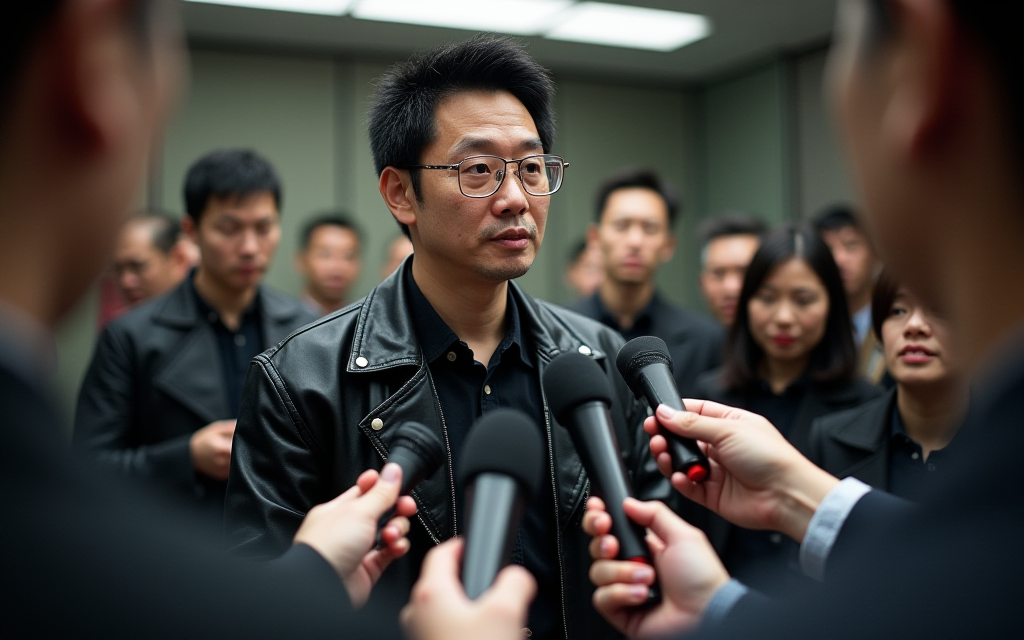
Jensen Huang’s Dramatic Return to Nvidia: The Inside Story of Trump’s Intervention and Market Pressure
Jensen Huang's dramatic return as Nvidia CEO after an 11-day resignation over a spy scandal reveals the immense influence of the tech leader. President Trump's intervention and stock market pressures forced the board to reverse course. With Nvidia controlling 90% of the AI chip market, Huang's comeback underscores the company's critical role in the US-China tech rivalry and the unprecedented involvement of a sitting president in corporate governance.
A CEO’s Stunning Comeback
In an unprecedented turn of events, Jensen Huang has returned as Nvidia’s CEO just 11 days after resigning over an alleged affair with a client executive linked to a Chinese spy plot. The dramatic reinstatement, credited by President Donald Trump, highlights the immense influence of the tech leader and the company’s critical role in the global AI race.
The Scandal and Resignation
Huang, 63, co-founder and CEO of Nvidia, stepped down on November 12 amid reports of extramarital affairs, including with Alice Huang, a Chinese businesswoman heading Singapore-based Megaspeed. US officials suspect Megaspeed of being a front for Chinese intelligence, though Beijing denies the claim. The Nvidia board launched an investigation, but Huang resigned before its conclusion.
Analysts warned that his departure could slash Nvidia’s valuation by up to 30%, and indeed, shares plummeted 27.7% to a low of $3.04 trillion by November 20. The board initially stated Huang would not return, but mounting pressure from Silicon Valley and the White House forced a reversal.
Who Pushed for Huang’s Return?
A petition with over 180,000 signatures, including Elon Musk, demanded his reinstatement. But the decisive push came from the Trump administration, which reportedly pressured the board after a Silicon Valley “war room” lobbied the White House. Trump told CNBC, “The board decided to do what we wanted them to do… I was represented at the board.” The board ultimately cited assurances from senior US government officials that Huang posed no national security risk.
Why Nvidia Brought Huang Back
Trump’s Influence
President Trump openly backed Huang, calling him a “genius” and claiming credit for his return. The administration, including Vice President JD Vance, pressured the board to reinstate Huang, who had no clear succession plan. Boston College’s Aleksandar Tomic noted, “This move is unprecedented… a sitting president has exerted very public pressure on a corporate board.”
Stock Market Pressures
Huang’s departure sent Nvidia’s stock tumbling nearly 28% between November 11 and 20. Upon his reinstatement, shares surged 31% in early trading, adding about a trillion dollars to the company’s valuation and lifting the Nasdaq by 6.5% and the S&P 500 by 4.75%. Asian markets also rallied, with Taiwan’s index jumping over 9%.
Nvidia’s AI Dominance
Nvidia controls nearly 90% of the data center GPU market, making it indispensable to the global AI boom. Its chips power AI infrastructure for tech giants like Microsoft, Google, Amazon, and Meta. Huang has lobbied Washington against export restrictions to China, arguing they would cede strategic advantage to Chinese competitors. However, US legislators view advanced chip access as a national security risk, especially given potential military applications. Hours after Huang’s return, the US added Megaspeed to its trade blacklist.
What’s Next for Nvidia?
Despite Huang’s return, multiple investigations continue, including an FBI counterintelligence review, a Justice Department antitrust probe, and an SEC accounting inquiry. Congress is also examining potential chip diversion to China through Megaspeed. Huang’s reinstatement may stabilize Nvidia in the short term, but the long-term implications for US-China tech rivalry and corporate governance remain uncertain.
