

Pokémon Airport and Trail Help Revive Japan’s Earthquake-Hit Noto Peninsula
A Pokémon-themed airport and trail are drawing visitors to Japan's Noto Peninsula, which is still recovering from the 2024 earthquake. The collaboration, featuring giant Pikachu balloons, themed footbaths, and rice terrace statues, aims to bring joy and economic support to the region. Local businesses report increased visitors, and officials hope the initiative will help sustain recovery efforts through 2029.
A Pokémon-Themed Airport Brings Joy and Hope to Noto
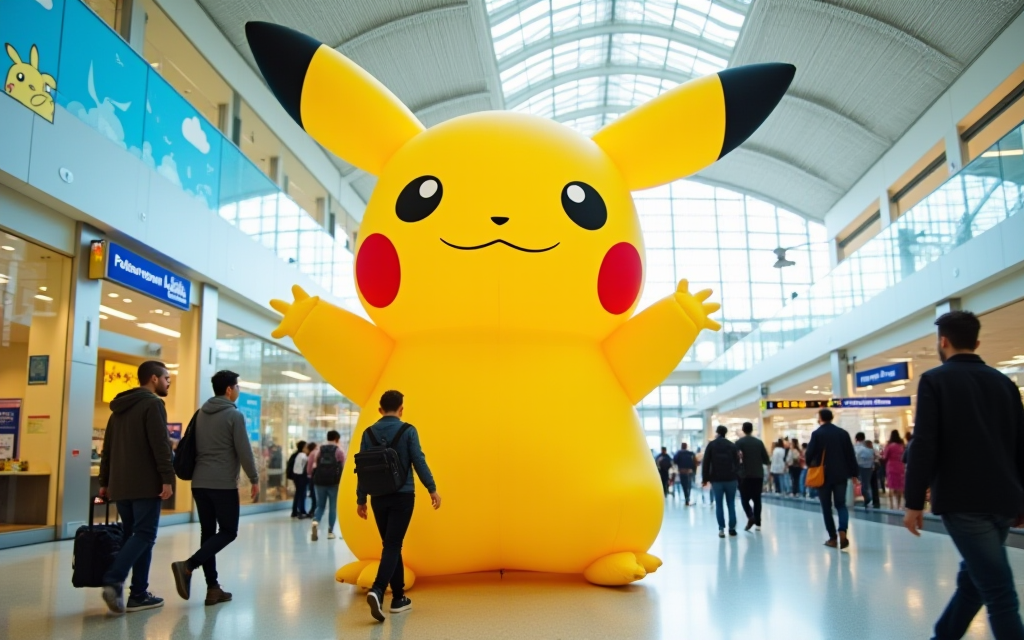
In the small coastal city of Wajima, Japan, the Noto Satoyama Airport has been transformed into the world’s first Pokémon-themed airport. A giant inflatable Pikachu greets travelers in the two-storey atrium, while images of Pikachu and Eevee slide behind Poké Ball designs on automatic doors. Even the departure signs feature Salamence, and a mural of the legendary Ho-Oh takes flight in the main hall. The collaboration, part of Pokémon with YOU—a disaster-relief initiative launched by The Pokémon Company in 2011—will run until September 2029. It aims to bring smiles and visitors back to a region still recovering from the devastating 2024 earthquake.
More Than Just Cute: A Mission of Recovery
The Noto Peninsula was hit hard by the 2024 earthquake, which damaged infrastructure and shuttered businesses. The airport, which traditionally served only business travelers with two daily flights to Tokyo Haneda, now attracts families and tourists eager to experience the Pokémon-themed attractions. At Restaurant Annon, visitors can order Salamence’s Blue Sky Salt Soda, an ice cream float inspired by local Wajima cider. Gift shops sell Pokémon keychains, and all 111 flying Pokémon are featured in artwork throughout the terminal. The joy is palpable, but the purpose is serious: to support the region’s recovery by drawing new visitors.
Exploring the Pokémon Trail
Beyond the airport, the Pokémon Trail winds through the Noto Peninsula, linking historical landmarks with Pokémon-themed experiences. The Pokémon Noto Bus, which departs from Wakura Onsen and the airport, makes five stops at trail attractions. For ¥5,000 (adults) or ¥2,500 (children), visitors can hop on and off, exploring spots like the life-sized Sylveon LOVE Monument on Mitsukejima Island and the Pokémon Nakayoshi House at Yanagida Botanical Park. Reservations are required, but the trail can also be explored via public transport or taxi.
Wakura Onsen: A Footbath and a Fresh Start
One of the trail’s highlights is the Wakura Pokémon Footbath, located in the ancient hot spring resort town of Wakura Onsen. The footbath reopened in May 2026 after being closed for over two years due to earthquake damage. Now, statues of Pikachu, Psyduck, and Poliwag line the bath, and illustrations of Pokémon adorn the shoji windows. The water flows from a pipe shaped like Gyarados, and visitors can soak their feet while gazing at the stunning blue waters of Nanao Bay. Local businesses like Noto Milk, which suspended operations for four months after the quake, have seen a positive impact from the influx of Pokémon fans. “Some ryokan are still closed, but as more accommodations reopen, we expect the number of visitors to Wakura Onsen to continue growing,” says CEO Shogo Horikawa.
Rice Terraces and Coastal Beauty
Further along the trail, the historic Shiroyone Senmaida Rice Terraces feature statues of Fuecoco and Lucario. The terraces, cultivated since the Edo Period, translate to “1,000 rice paddies” and offer a dramatic, zig-zagging landscape. Visitors flock to take photos with the statues, then follow the irrigation waterway towards the sea. A taxi ride along the scenic Sosogi Coast reveals autumnal forests and imposing cliffs—though the driver points out that much of the area was once underwater and tourist spots were wiped out by the earthquake. Heavy machinery still lines the coastline, a reminder that recovery is ongoing.
A Symbol of Resilience
Despite the challenges, locals remain hopeful. “Historically, the people of Noto have had the strength to appreciate nature even in tough conditions,” says Rie Namura, team leader at Ishikawa Prefecture’s international tourism division. “Even after big disasters like the earthquake and heavy rain, they are working hard to keep their unique culture alive.” The Pokémon collaboration has brought visitors from all over Japan and abroad, and Matsu Shigeyuki, manager of Noto Airport’s general affairs, hopes it will continue to make local children happy. As the region rebuilds, the Pokémon-themed attractions offer a way to support recovery while experiencing the spectacular scenery and culture of the Noto Peninsula.
