

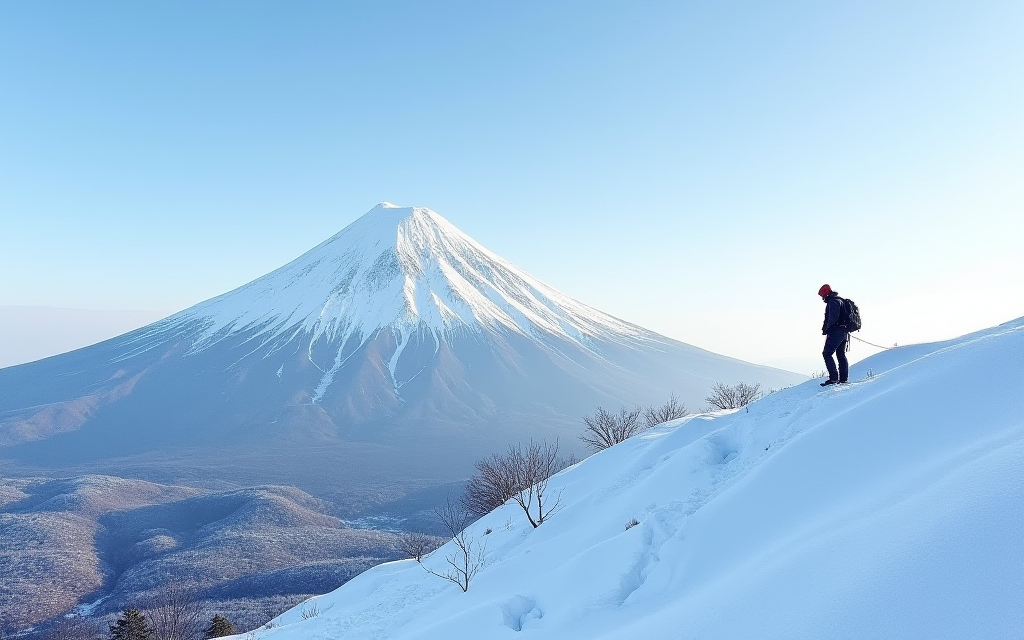
China Warns Against Off-Season Mount Fuji Climbs as Missing Hiker’s Family Offers $75,000 Reward
The Chinese embassy in Japan warns citizens against off-season Mount Fuji climbs as the family of missing hiker Chen Jie offers a $75,000 reward for his rescue. Authorities fear the reward could encourage reckless attempts, while new regulations aim to deter dangerous off-season expeditions.
China Issues Warning Amid Mount Fuji Rescue Concerns
The Chinese embassy in Japan has issued a stark warning to its citizens against attempting off-season ascents of Mount Fuji, citing grave safety risks and growing concerns that a hefty reward offered by the family of a missing Chinese climber could spur reckless behavior. The advisory, released on Tuesday, underscores the perils of climbing Japan’s highest peak outside the official season, when strong winds, blizzards, and a lack of operational shelters and first-aid centers create life-threatening conditions.
Mount Fuji’s official climbing season typically runs from early July to early September. During the off-season, the mountain is considered extremely dangerous, with unpredictable weather and no support services for climbers. The embassy’s warning comes as search efforts continue for 25-year-old Chen Jie, who vanished on the mountain on November 8.
The Disappearance of Chen Jie and the Family’s Reward
Chen Jie, a Chinese national, set out on his hike with two friends who turned back after realizing the mountain was closed and that they were ill-equipped for the harsh conditions. Chen pressed on alone from the fifth station of the Yoshida Trail, situated at approximately 2,300 meters (7,545 feet) above sea level. A friend last heard from him at 10:30 that day, when Chen sent a video message saying, “I’m going up the mountain… There’s no one in sight.”
In a desperate bid to find him, Chen’s family is offering 500,000 yuan ($75,000; £57,300) to anyone who finds him alive, and 100,000 yuan to anyone who recovers his body, according to Chinese and Japanese media reports. The reward has sparked fears that it might encourage inexperienced climbers to venture into the treacherous terrain, potentially leading to more accidents and diverting rescue resources.
Search Efforts Hampered by Weather
Local authorities launched a search for Chen on November 10, but operations have been repeatedly halted due to poor weather conditions. Chen’s father reportedly arrived in Japan on November 13, though it remains unclear when the reward offer was posted. The search continues, but hopes are dwindling as time passes.
Authorities’ Response and New Regulations
Yamanashi Prefecture Governor Kotaro Nagasaki expressed his concerns on Wednesday, telling reporters that attempts to find the missing climber could lead to “secondary disasters.” He appealed directly to Chen’s family, saying, “I understand that your family is important, but please refrain from doing anything that could endanger others.” His comments reflect growing anxiety that the reward might motivate untrained individuals to attempt dangerous off-season climbs.
Earlier this year, Yamanashi authorities announced that from next year, climbers who attempt Mount Fuji during off-peak seasons and require helicopter rescue will have to pay for the service. Additionally, those planning off-season climbs will be required to submit detailed climbing plans. “We hope that these measures will cause people to rethink what climbing Mount Fuji during the winter is like,” Nagasaki said at the time.
Social Media Reactions and Safety Concerns
Some social media users in Japan have echoed these fears, expressing worry that the reward could entice ill-prepared individuals to risk their lives. The incident has reignited debates about the dangers of off-season climbing and the responsibility of authorities to regulate access to the mountain.
Background: Mount Fuji’s Off-Season Dangers
Mount Fuji, Japan’s tallest peak at 3,776 meters, is a UNESCO World Heritage site and a symbol of the country. While it attracts hundreds of thousands of climbers during the official season, off-season attempts are strongly discouraged. The mountain’s weather can change rapidly, and temperatures can plummet well below freezing. Without shelters or emergency services, climbers who encounter trouble are often left in perilous situations.
The recent warning from the Chinese embassy serves as a reminder of the risks involved and the importance of heeding local advisories. As search efforts for Chen Jie continue, the hope remains that he will be found, but the broader message is clear: safety must come first.
