

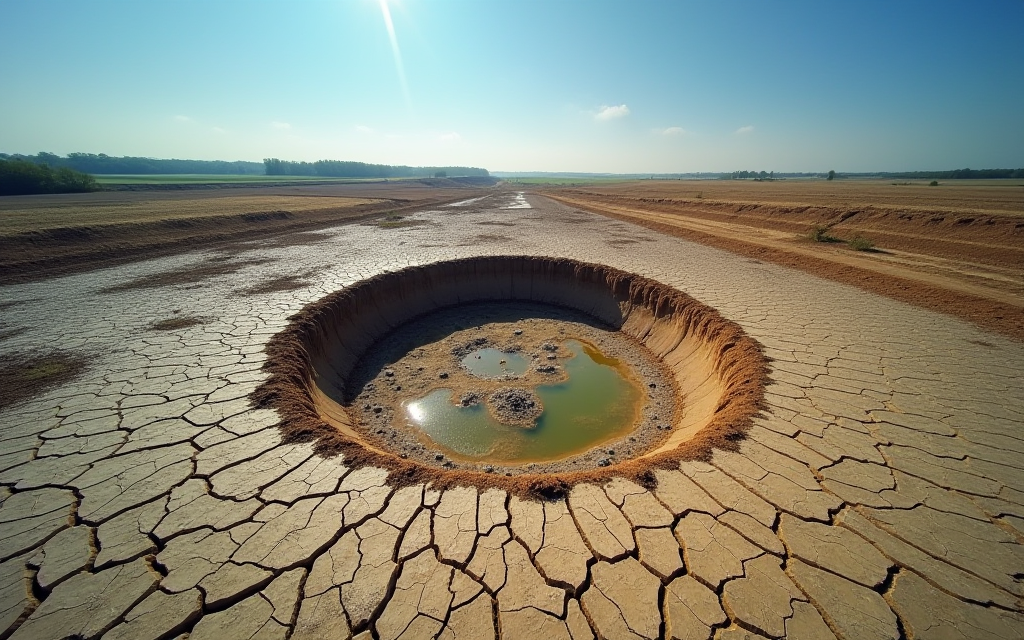
England Records 5,200 Heat-Related Deaths in 2026, Highest Since 2016
England recorded an estimated 5,258 heat-associated deaths in summer 2026, the highest since records began in 2016 and more than double the previous high. The UK experienced its hottest summer on record, with multiple heatwaves and droughts. Health officials warn that climate change will make extreme heat more frequent and intense, urging adaptation measures.
Record Heat Deaths in England
England experienced an estimated 5,258 heat-associated deaths during the summer of 2026, according to the UK Health Security Agency (UKHSA). This is the highest number since records began in 2016 and more than double the previous high of 2,985 in 2022. The UK as a whole recorded its hottest summer on record, with prolonged heatwaves and drought conditions affecting large parts of the country.
Deadliest Period and Heat Episodes
The most lethal period was between 21 and 28 June, when temperatures peaked at 38°C and an estimated 2,401 heat-related deaths occurred. The UKHSA defines a heat episode as days when the average Central England Temperature (CET) is at least 20°C. Between May and August, there were seven such episodes totaling 41 days, the highest annual number recorded.
Summer of Persistent Heat
The summer saw a series of record-breaking heatwaves. In May, a heatwave smashed the monthly temperature record by more than 2°C, with 35.1°C recorded at Kew Gardens. June followed with another monthly record of 38.0°C in Lingwood, Norfolk, surpassing the previous high of 35.6°C set in 1957 and equalled in 1976. Both heatwaves were caused by heat domes—stalled areas of high pressure that trap hot air over the region. In mid-August, temperatures climbed to 38.2°C at Hartpury College in Gloucestershire, marking the hottest day of the year. The UK’s all-time record remains 40.3°C, set in Coningsby, Lincolnshire, on 19 July 2022.
Drought and Wildfires
A lack of rainfall led to droughts being declared in all of Wales and more than two-thirds of England. Wildfires also caused devastation in some areas, further highlighting the widespread impact of the hot, dry conditions.
Health Officials Warn of Climate Change Impacts
The UKHSA warned that climate change is expected to increase the length, frequency, and intensity of extreme heat. Dr Ross Thompson, principal environmental health scientist at UKHSA, said the hot weather had a substantial impact on public health, particularly during the early heat episodes in May and June. He added that periods of extreme heat are expected to become longer, more frequent, and more intense as the climate continues to warm.
Health Secretary Yvette Cooper expressed her condolences to those who lost loved ones and stated that the numbers are a stark reminder of the human impact of climate change. She has asked the NHS to prepare for summer as seriously as it does for winter. Prime Minister Andy Burnham, speaking at the COP31 summit, described the extreme weather as “not normal.”
Need for Adaptation
UKHSA emphasized the need for longer-term adaptation to a warming climate, including making homes, neighbourhoods, and health and care settings more resilient to heat. The record death toll underscores the urgent need for measures to protect vulnerable populations from the growing threat of extreme heat.
