

Syria Weighs Citizenship for Children of Foreign Fighters
Syria is considering changes to its nationality law that could grant citizenship to children of Syrian mothers and foreign fighters. The move aims to resolve the legal limbo faced by thousands of children lacking identity documents due to unregistered marriages and missing fathers. While human rights groups welcome the reform as a step against statelessness, security concerns and vetting requirements remain contentious. The debate reflects broader challenges of post-conflict Syria and has implications for other nations dealing with families of foreign fighters.
Syria Considers Nationality Law Changes for Children of Foreign Fighters
DAMASCUS, Syria — Syria is debating amendments to its nationality law that could grant citizenship to thousands of children born to Syrian mothers and foreign fighters, as the country grapples with the legal fallout from years of conflict. The proposed changes, reported by Al Jazeera on Friday, aim to address the plight of children left in legal limbo due to unregistered marriages, missing fathers, and a lack of identity documents.
The debate comes as Syria continues its fragile transition following the fall of the al-Assad regime, with authorities facing pressure to resolve the status of families linked to foreign fighters who joined armed groups during the civil war. Thousands of children are believed to be affected, many of whom were born in camps or conflict zones and lack birth certificates or other proof of nationality.
Legal Limbo and Humanitarian Concerns
Under current laws, Syrian women cannot pass citizenship to their children in many cases, particularly when the father is foreign or absent. This has left many families unable to access basic services such as education, healthcare, and travel documents. The proposed reforms would allow Syrian mothers to confer nationality to their children, regardless of the father’s status.
Human rights groups have welcomed the move, calling it a critical step toward protecting children’s rights and preventing statelessness. “These children are the most vulnerable victims of the conflict,” said a Damascus-based legal expert, speaking on condition of anonymity. “Granting them citizenship is not only a legal obligation but a moral one.”
Security and Political Sensitivities
However, the proposal has sparked concerns among some security officials who fear that granting citizenship to children of foreign fighters could pose risks. Critics argue that thorough vetting is needed to ensure that individuals with ties to extremist groups are not inadvertently legitimized.
The government has not yet specified how it would screen applicants or whether the law would apply retroactively. A parliamentary committee is reportedly reviewing the draft, with consultations ongoing among legal experts, tribal leaders, and international organizations.
Regional and International Implications
The issue extends beyond Syria’s borders. Many foreign fighters came from neighboring countries and Europe, and their children often face similar obstacles in their home countries. International law, particularly the Convention on the Rights of the Child, emphasizes the right to nationality and the avoidance of statelessness.
If Syria adopts the changes, it could set a precedent for other nations dealing with the legacy of foreign fighters. The United Nations has urged all states to prioritize the best interests of the child in such cases.
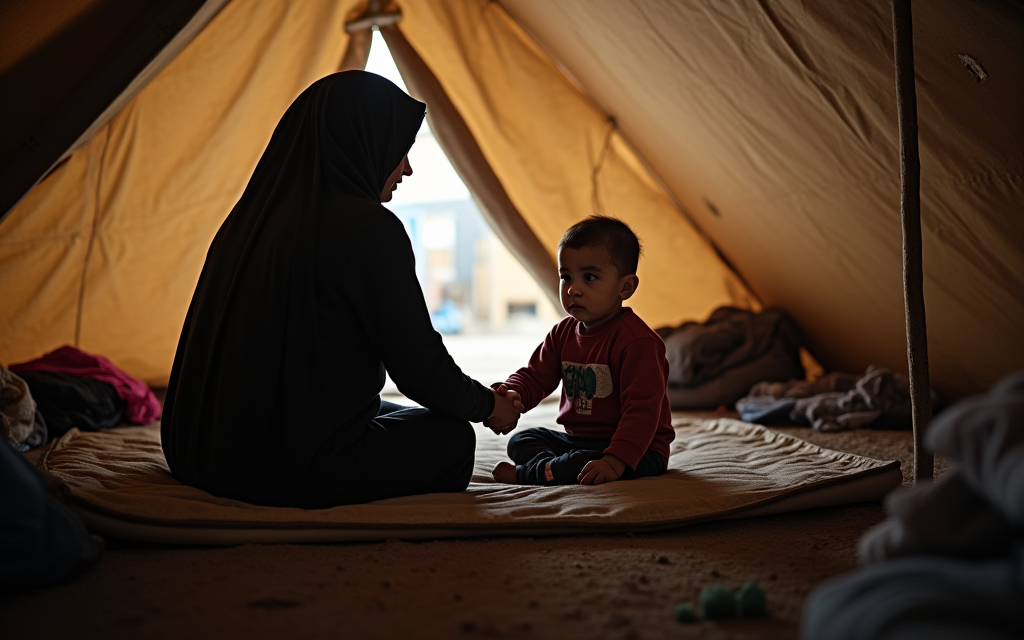
As the debate unfolds, affected families remain in uncertainty. “I just want my son to have a nationality, to go to school, to have a future,” said one Syrian mother in a camp in northern Syria. Her husband, a foreign fighter, disappeared years ago.
The outcome of the deliberations will be closely watched by human rights advocates and policymakers alike, as Syria seeks to rebuild its legal framework and address the deep scars of war.