

COP31 Climate Summit Ends Without Deal: What Happens Next for Global Climate Action
The COP31 climate summit ended without a deal, as negotiators failed to resolve disputes over climate finance and fossil fuel phase-out. The impasse raises concerns about the future of global climate diplomacy, but experts suggest alternative pathways and continued national efforts may keep momentum alive. The focus now shifts to upcoming summits and the role of non-state actors in driving action.
COP31 Ends Without a Deal: A Setback for Global Climate Diplomacy
The COP31 climate summit concluded without a consensus agreement, leaving delegates and observers grappling with the implications for international climate action. The talks, which aimed to build on previous commitments, stalled over unresolved issues, including financing for developing nations and the pace of emissions reductions.
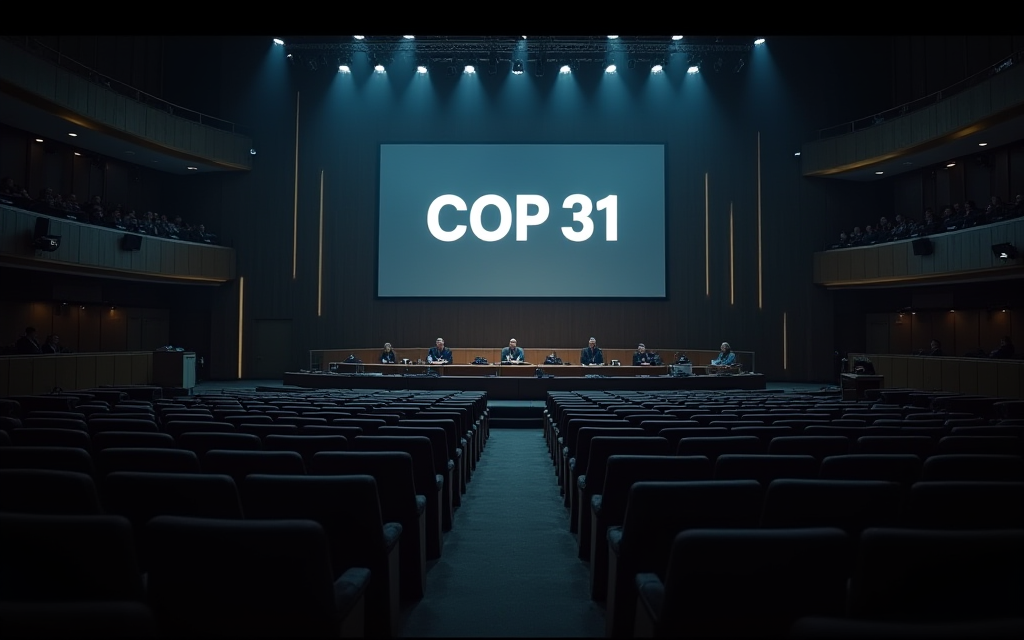
BBC journalist Esme Stallard reported from the summit floor, where participants sat below COP31 branding, reflecting the somber mood as negotiations failed to produce a final text. The lack of a deal raises questions about the future of the UN climate process and the ability of countries to coordinate on one of the most pressing global challenges.
Key Sticking Points: Finance and Fossil Fuels
The negotiations were hampered by deep divisions between developed and developing countries. At the heart of the impasse was the question of climate finance—how much wealthy nations should contribute to help poorer countries adapt to climate impacts and transition to clean energy. Developing nations argued that existing pledges were insufficient and demanded more predictable and adequate funding.
Another major point of contention was the language on fossil fuels. Some countries pushed for a clear commitment to phase out unabated coal, oil, and gas, while others resisted, citing economic dependence and energy security concerns. The failure to reach a compromise on these issues prevented the adoption of a comprehensive outcome document.
Implications for Global Climate Action
Without a formal decision at COP31, the momentum for global climate action may slow. The absence of a unified roadmap could undermine trust in the multilateral process and make it harder to mobilize ambition ahead of future summits. However, experts note that the Paris Agreement’s architecture allows for continued progress through national determined contributions (NDCs) and other mechanisms.
Civil society groups expressed disappointment but vowed to keep pressure on governments. The focus now shifts to upcoming opportunities, such as the G20 summit and next year’s COP32, where countries can reconvene and attempt to bridge their differences. The outcome of COP31 serves as a stark reminder of the challenges inherent in reaching consensus among nearly 200 nations with divergent interests.
What’s Next? Pathways Forward
Despite the lack of a formal deal, the conversations that began at COP31 are expected to continue in various forums. Bilateral and plurilateral initiatives may gain prominence as countries seek alternative ways to advance climate goals. Additionally, subnational actors, businesses, and cities are likely to step up their efforts, demonstrating that climate action is not solely dependent on international agreements.
The coming months will be critical in determining whether the setback at COP31 is a temporary hiccup or a sign of deeper fractures in the global climate regime. Observers will watch closely for signals of renewed commitment and innovative approaches to cooperation.
