

California Braces for Record King Tides and Flooding During Thanksgiving Holiday
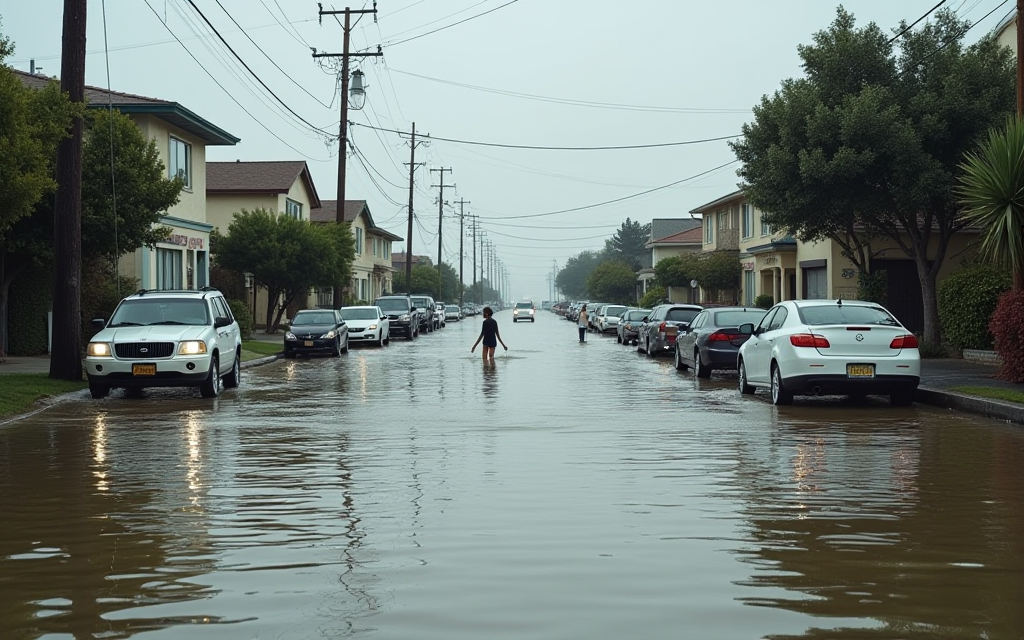
California is warning of flooding as king tides peak over Thanksgiving, with water levels potentially breaking records set last month. Coastal areas are bracing for major flooding, and storms on both US coasts threaten holiday travel. In San Diego, a record high tide was recorded, and a pier collapsed in northern California. The NWS advises staying away from the water's edge as large waves can be dangerous. The severe weather has also led to the postponement of Macy's Thanksgiving Day Parade for the first time.
California on High Alert as King Tides Peak Over Thanksgiving
Coastal communities across California are on high alert as king tides—the highest predicted tides of the year—peak during the Thanksgiving holiday, threatening widespread flooding. The National Weather Service (NWS) warns that water levels could exceed 8 feet (2.4 meters) in some areas on Wednesday and Thursday, breaking records set just last month.
Already, reports of flooding have emerged from the San Francisco Bay Area, and a portion of a pier in northern California collapsed into the ocean on Wednesday as high tides and strong waves battered the structure. In San Diego, a high tide of 8 feet 11 inches was recorded on Wednesday morning, potentially surpassing the previous record of 7.98 feet set in late October. Los Angeles also saw tides as high as 8.19 feet, breaking the record set just weeks ago.
Understanding King Tides and Their Impact
King tides are astronomical tides that occur when the sun, moon, and Earth align, creating the highest and lowest tides of the year. While they typically happen once or twice annually, they are becoming more frequent and severe due to rising sea levels. This year, the king tides are being amplified by the strongest El Niño pattern on record, according to BBC Weather.
The NWS has issued warnings for major coastal flooding, particularly in low-lying areas. Beachgoers are advised to stay away from the water’s edge, as large waves can suddenly form, damaging piers and jetties and capsizing small vessels. The combination of high tides and strong waves poses a significant risk to coastal infrastructure and public safety.
Storms Also Threaten Thanksgiving Travel Across the US
Beyond California, storm systems are expected to impact other parts of the US during the Thanksgiving holiday. A developing Nor’easter is forecast to bring heavy rain, strong winds, and coastal flooding to the East Coast, with major impacts beginning Wednesday across the Southeast and moving northward. The NWS warns of 1 to 4 inches of rain along the East Coast, with up to 6 inches possible in coastal North Carolina.
In the Pacific Northwest, including British Columbia, storms are also forecast, with flood warnings issued along Vancouver’s coastline. Residents are urged to take immediate action to protect life and property. The severe weather has already disrupted holiday plans: Macy’s has postponed its 100th annual Thanksgiving Day Parade in New York for the first time due to severe weather, rescheduling it for Saturday.
The stormy weather on both coasts could disrupt travel for millions. AAA predicts that 81.5 million Americans will travel at least 50 miles from home for Thanksgiving between November 24 and 30, and the dual storms may snarl roads and airports.
Climate Change Connection and Preparedness
While king tides are a natural phenomenon, their increasing frequency and intensity are linked to climate change and sea-level rise. Coastal communities must adapt to these growing risks through improved infrastructure, early warning systems, and emergency preparedness. As California contends with record tides this Thanksgiving, the event serves as a stark reminder of the challenges posed by a warming climate.
Authorities continue to monitor the situation closely and urge residents to heed evacuation orders and stay informed through local news and official channels. With the holiday spirit tempered by nature’s fury, Californians are coming together to face the rising waters.
