

Glasgow 2026 Commonwealth Games Legacy: Floating Nature Islands Installed in City Parks
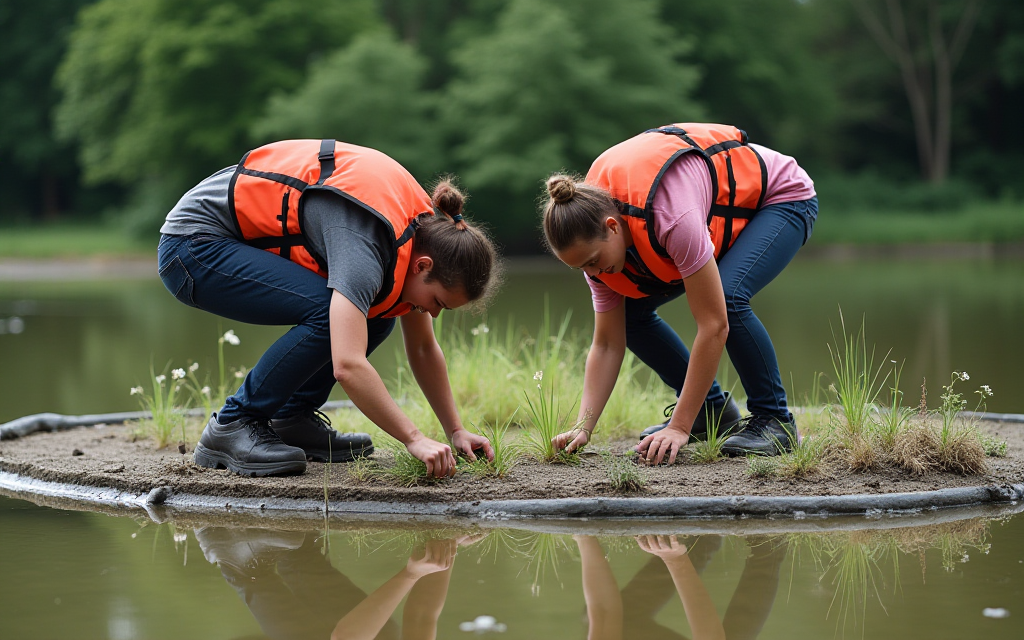
Floating nature islands have been installed in five Glasgow parks as part of the 2026 Commonwealth Games legacy. The islands, planted by community groups, will create nearly 250 square metres of wildlife habitat and help clean pond water over the next 20 years. Made from recycled materials by Biomatrix Water Solutions, they feature native aquatic plants whose roots reduce harmful algae and provide shelter for wildlife. The project reflects Glasgow 2026's commitment to sustainability and community engagement.
Floating Islands Bring Wildlife and Cleaner Water to Glasgow Parks
Five parks across Glasgow are now home to innovative floating islands designed to boost biodiversity and improve water quality, as part of the lasting legacy of the 2026 Commonwealth Games. The project, funded by Glasgow 2026 organizers, will create almost 250 square metres of new wildlife habitat expected to thrive for around 20 years.
The islands have been installed at Victoria Park, Elder Park, Richmond Park, Queen’s Park, and Hogganfield Loch. Local community groups, including schools and “friends of the park” organizations, have been actively involved in planting the islands with a mix of native aquatic species.
How the Floating Islands Work
Manufactured by Moray-based Biomatrix Water Solutions, the islands are constructed from recycled plastic materials, including drinking water pipes, held together with marine-grade stainless steel. A lightweight clay aggregate called leca tops each island, providing a growing medium for plants such as marsh marigolds, water forget-me-nots, and ragged robin.
According to Ellen Hebdon, operations manager at Biomatrix, the plants’ roots play a crucial role in preventing and removing harmful algae from the water. “It’s not an overnight solution, but over a period of time, you will see benefits in the clarity and the cleanliness of the water,” she said. The roots also provide shelter for aquatic wildlife, while the islands’ mid-water location offers undisturbed nesting spaces for birds.
Biomatrix has already installed similar islands in cities around the world, including Boston, Venice, and London, as well as on the River Clyde at the Glasgow Science Centre.
A Greener Games Legacy
The floating islands are part of Glasgow 2026’s broader commitment to sustainability. All competition venues will be powered by renewable electricity, and two-thirds of the transport fleet will consist of electric or hybrid vehicles. Selina Donald, head of sustainability for Glasgow 2026, explained that the city council had been considering floating islands but lacked funding. “I really saw the pride in all the parks, the pride in the green spaces, the pride in the natural environment across the city,” she said. “And so really, for us, it was a way that we can celebrate and support that.”
The project not only enhances the city’s green infrastructure but also engages local communities in environmental stewardship, ensuring the Games’ legacy extends well beyond the sporting events.
