

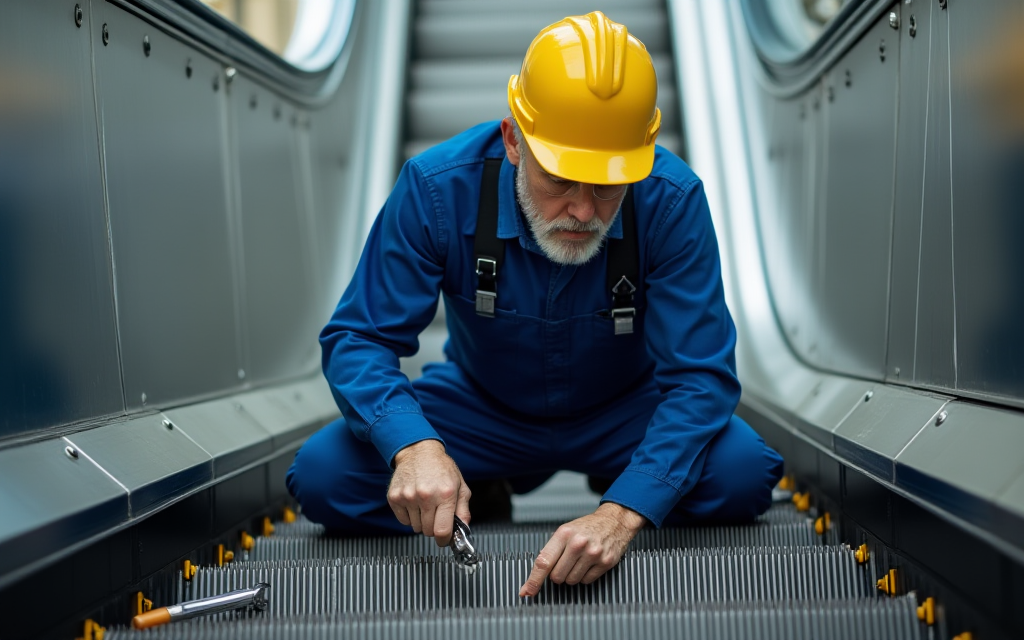
Global Shortage of Elevator Mechanics Strains Building Maintenance
A global shortage of elevator and escalator mechanics is causing repair delays and prolonged outages in buildings, with industry experts citing apprenticeship hurdles, retirements, and parts availability as key factors. In the US, where the average salary is $110,000, attracting new workers remains difficult. The problem affects the UK and other countries, leaving residents stranded and building managers frustrated.
Global Shortage of Elevator Mechanics Strains Building Maintenance
CHICAGO — A widespread shortage of elevator and escalator mechanics is causing delays in repairs and maintenance across the United States and other countries, industry experts say. The deficit has left building managers and residents grappling with prolonged outages, sometimes trapping elderly and disabled individuals in high-rise buildings for weeks.
The problem, which has worsened over time, is driven by a combination of factors including a lack of apprentices, retirements, and the technical complexity of modern and aging equipment. In the US, the average salary for a lift mechanic is $110,000, yet attracting new workers remains difficult.
Demanding Work, High Stakes
Jim Lembesis, a field technician for Parkway Elevators in Chicago, has been repairing lifts for 47 years. He describes the frustration of residents when elevators break down. “They wait and they wait,” he said. “There’s a lot of frustration. Sometimes it’s a repeat issue. It’s a never-ending cycle.”
Lembesis notes that nine out of ten problems involve the doors, which take a beating from carts and debris. Mechanics often carry spare parts in their vehicles to expedite repairs. The job also carries risks: falls from heights, electrocution, and even the occasional irate customer. Once, Lembesis was hit on the head with an umbrella by an elderly woman after he rescued her from a stuck lift.
Despite the dangers, Lembesis emphasizes the camaraderie and knowledge-sharing among mechanics. “You’re a little bit of a wizard,” said Matt Allred, a recruiter and host of The Elevator Careers Podcast. “You show up and if you can fix it – ‘Wow!'”
Apprenticeships and Licensing Hurdles
In the US, becoming a lift technician requires a four-year apprenticeship, and many states mandate certification or licensing. Matt Hollinshead, president of the US National Association for Elevator Contractors, says finding good technicians is “becoming more difficult.” He points to the vast array of equipment that must be maintained, some of it a century old. “As time goes on, the technological knowledge required to repair them only grows,” he said.
Hollinshead adds that while staff shortages can delay diagnosis, weeks- or months-long repair delays are often due to parts availability. For example, manufacturing a replacement hydraulic cylinder takes six to 12 weeks. He suggests teaching the basics of the trade in high schools or technical schools to entice more people.
Major lift companies have also struggled. Otis, one of the largest manufacturers, acknowledged in May that it was having trouble hiring enough staff to meet demand. A spokesman for Otis claimed its “US talent pipeline” was healthy but declined an interview. Two other large manufacturers approached by BBC News also declined interviews.
UK and Global Impact
The shortage is not confined to the US. In the UK, Dave Cooper, president of the Chartered Institution of Building Services Engineers, said the situation is “bad and getting worse.” He noted that food delivery companies have refused to deliver to flats above the ground floor when lifts are out of service. Cooper advocates for better tax breaks for companies that train lift mechanics.
Karen Slade, head of assessment at the Lift and Escalator Industry Association (Leia), said training is “not a quick route to competency” and requires long-term commitment. There are currently 259 active lift and escalator apprentices in the UK, according to Leia.
In Honolulu this year, storm-damaged lifts left some residents trapped in their homes for weeks, with a lack of mechanics and problems sourcing parts blamed for the delays.
Back in Chicago, Lembesis works with two younger mechanics who have been “really good,” offering some hope for the future. He stresses the rewarding nature of the work. “I love that. You get that reaction from the customers,” he said. “Without them, you got nothing.”
