

Cancer Research in Microgravity: How NASA Studies Tumor Cells in Space
NASA is studying cancer cells in microgravity aboard the International Space Station, where 3D tumor growth and altered gene expression offer new insights for drug testing and cancer treatment. The research could accelerate therapies on Earth while protecting astronaut health on long-duration missions to the Moon and Mars.
Cancer Research Takes Flight in Microgravity
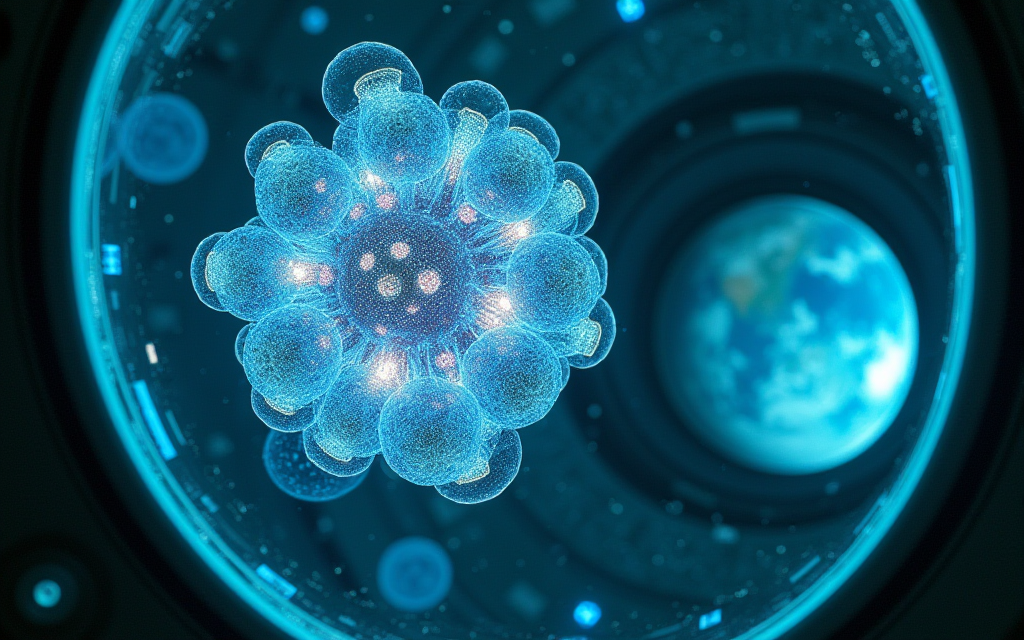
NASA is pushing the boundaries of biomedical science by studying cancer cells in the unique environment of microgravity aboard the International Space Station (ISS). The agency’s latest image feature highlights how the near-weightless conditions of low Earth orbit offer researchers a novel window into tumor biology that simply cannot be replicated on the ground.
In microgravity, cells no longer experience the gravitational forces that shape their behavior on Earth. This altered environment causes cells to grow in three-dimensional formations rather than the flat layers typical of laboratory petri dishes, giving scientists a more realistic model of how tumors actually develop inside the human body.
Why Microgravity Matters for Cancer Biology
Weightlessness affects fundamental cellular processes, from gene expression to protein signaling. According to NASA, these changes make space an invaluable laboratory for understanding the mechanisms behind cancer growth and progression.
Key scientific advantages
- 3D cell growth: Cancer cells cultured in microgravity assemble into three-dimensional structures that better mimic real tumors, improving the fidelity of drug testing.
- Altered gene expression: Studies have shown that microgravity can switch certain genes on or off, revealing pathways that may be targeted by new therapies.
- Improved drug screening: Because 3D cultures respond to treatments more like living tissue, researchers can evaluate potential cancer drugs more accurately.
- Immune system insights: Spaceflight studies help scientists understand how immune cells interact with tumors under stress conditions.
From Orbit to the Clinic: Real-World Impact
The research conducted on the ISS is not purely academic. NASA partners with pharmaceutical companies and academic institutions to translate findings from orbit into potential Earth-based treatments. Experiments involving leukemia, breast, prostate, and lung cancer cells have already yielded promising data on how these diseases respond to microgravity and to therapeutic compounds.
Beyond drug development, the work could inform future missions as astronauts venture deeper into space. Understanding how cancer cells behave during long-duration flights is essential for protecting crew health on journeys to the Moon and Mars.
Looking ahead
As commercial space stations and expanded ISS research opportunities emerge, NASA expects microgravity cancer studies to accelerate. The agency’s Biological and Physical Sciences division continues to sponsor investigations that bridge space biology and translational medicine, aiming to deliver benefits to patients on Earth while safeguarding explorers far from home.
By turning the unique conditions of space into a scientific asset, NASA is demonstrating that the quest to explore the cosmos can also yield powerful tools in the fight against cancer.
